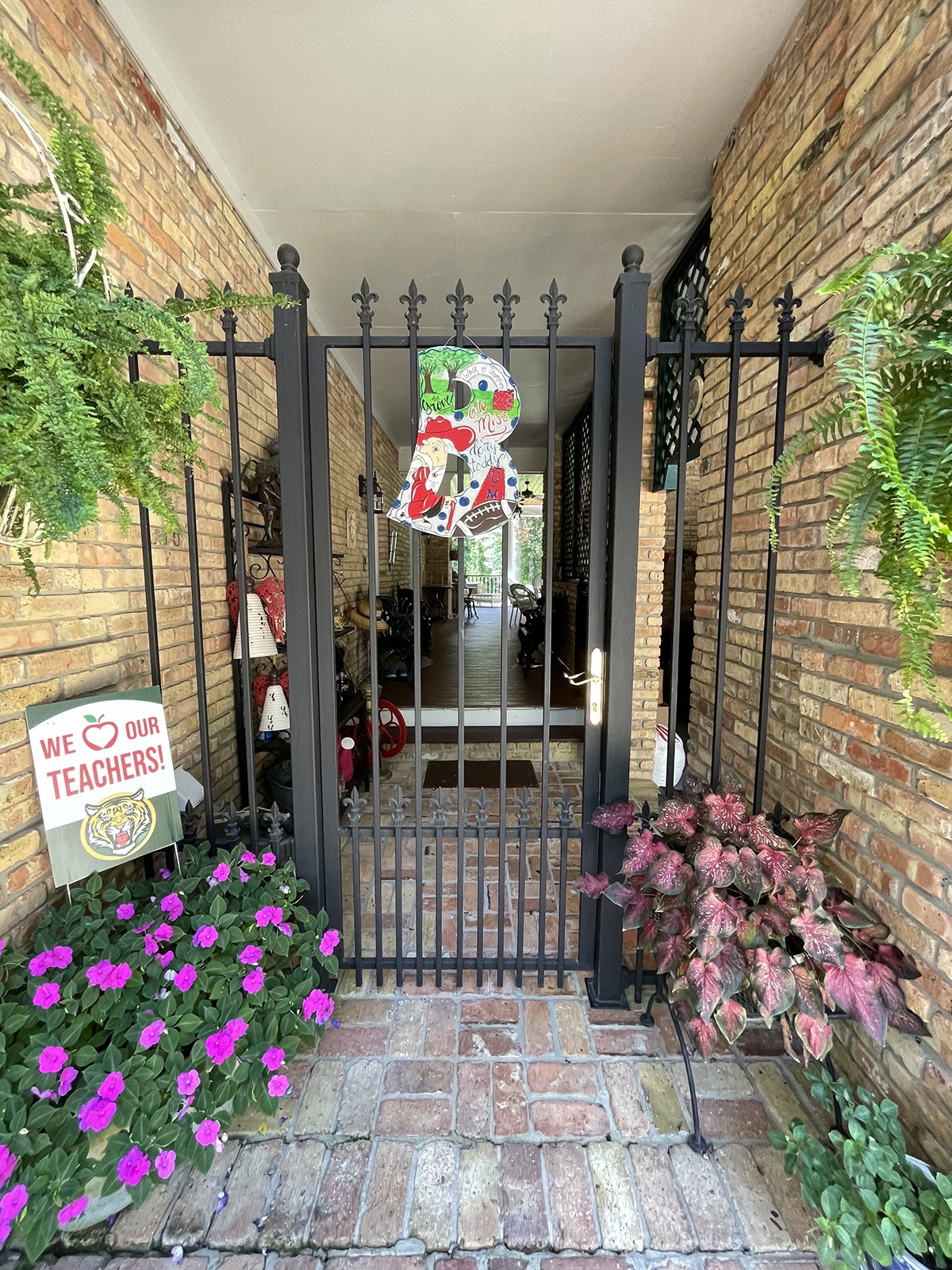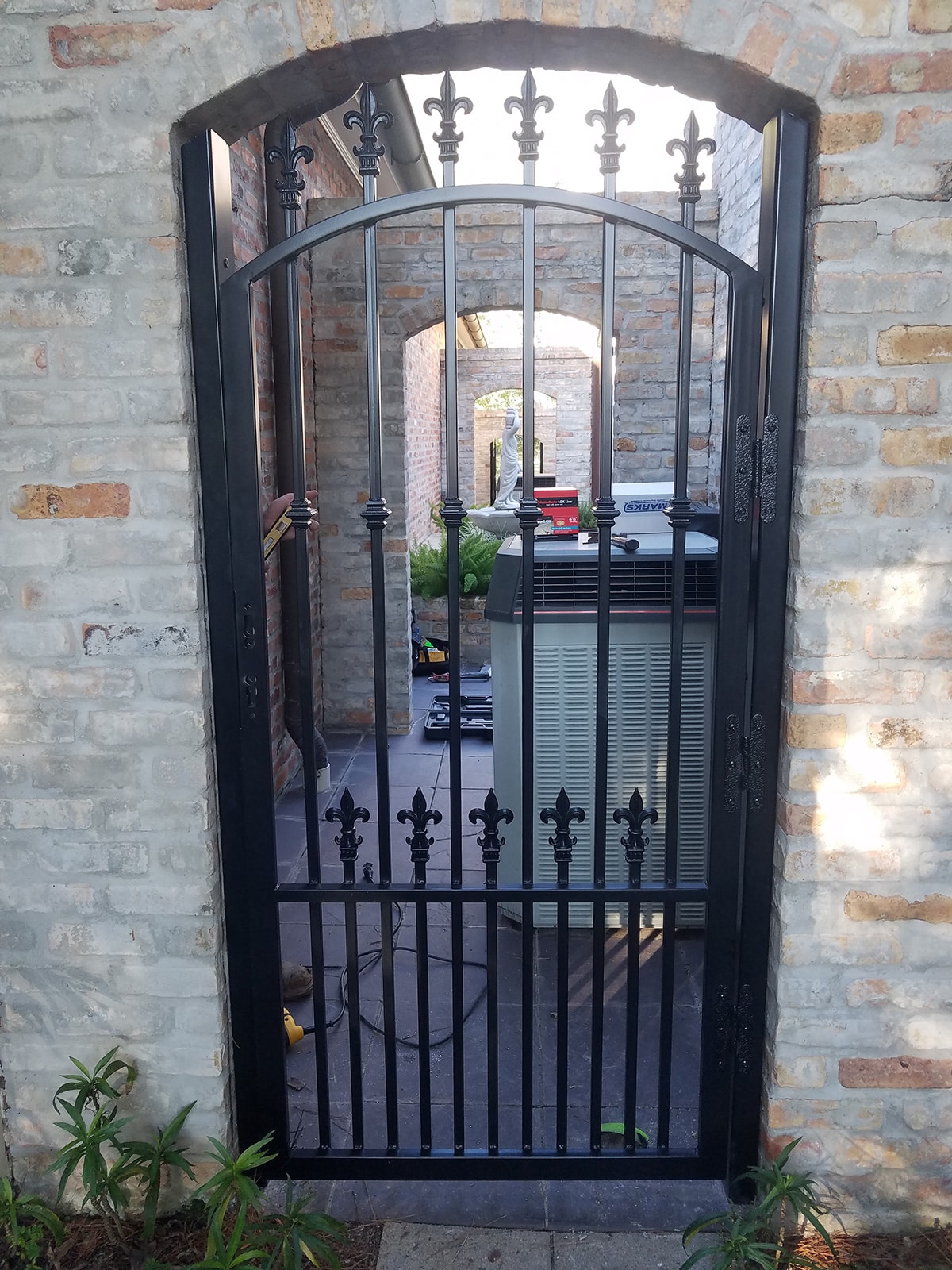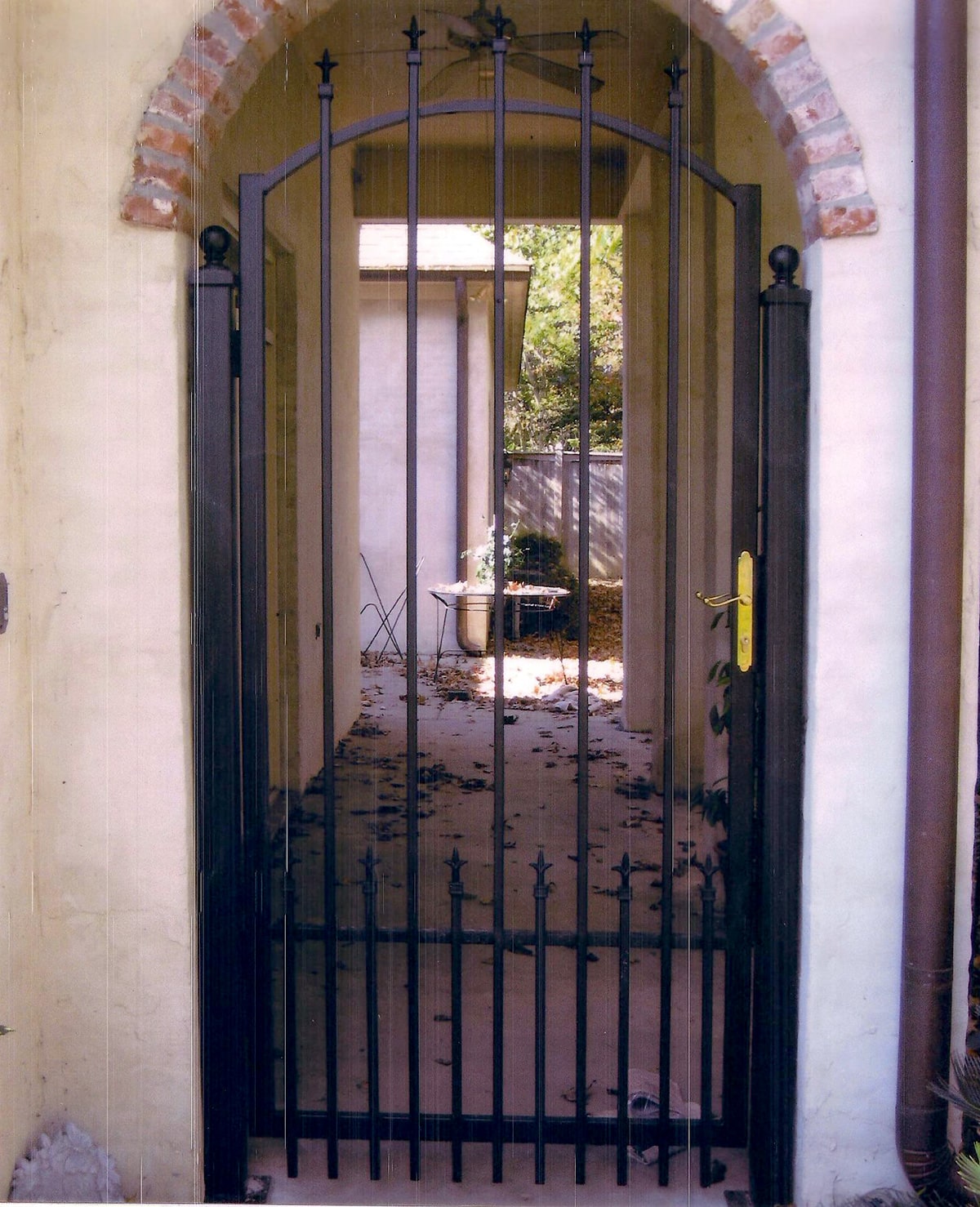
We Design, Manufacture & Ship Nationwide.
0% APR for 60 months*

Fill Out The Form Below To Request A Custom Quote

Your privacy is important to us. We’ll never share your information for any reason.
  • This field is for validation purposes and should be left unchanged.

Wrought Iron Gates Are Our Specialty

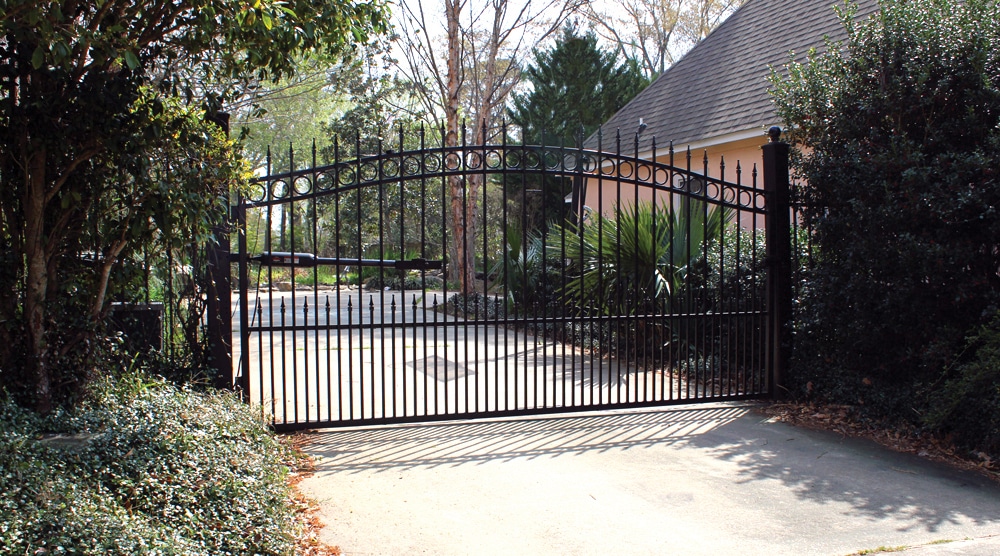
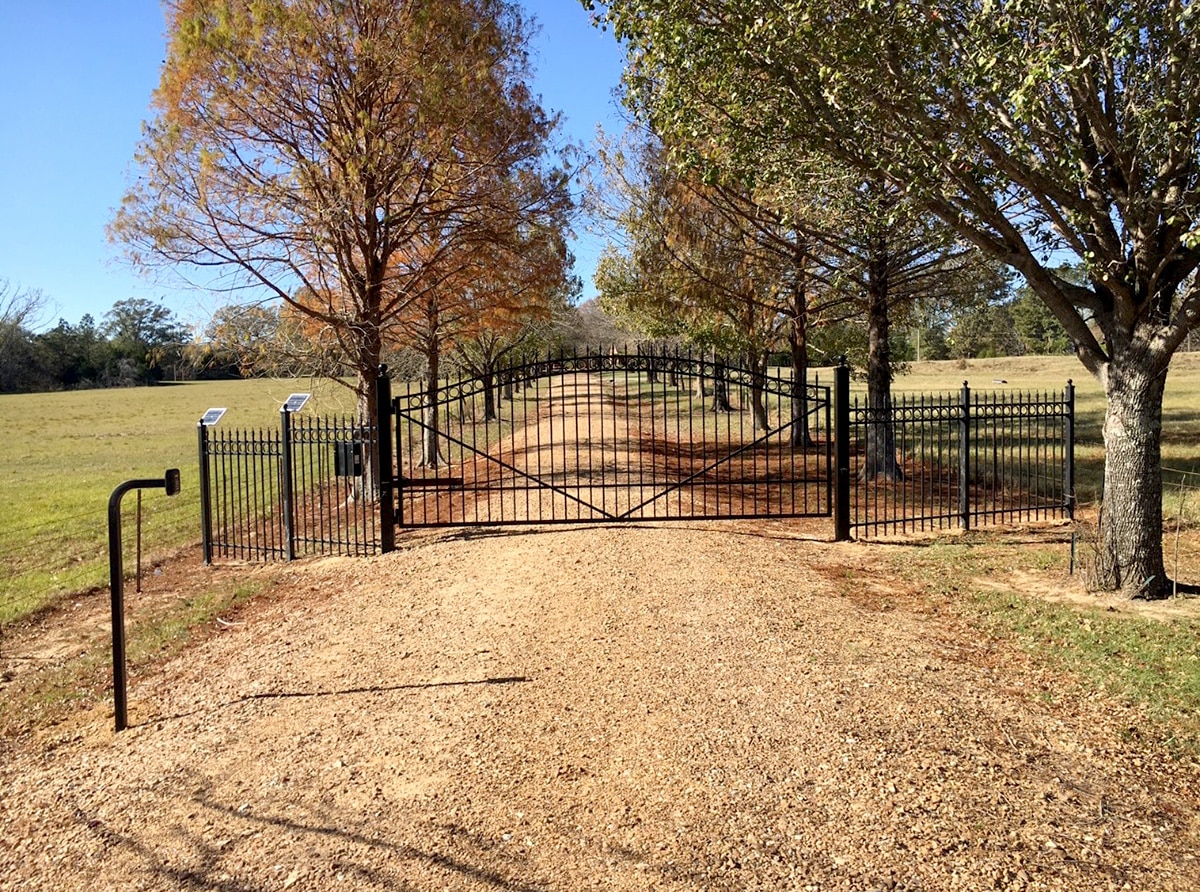
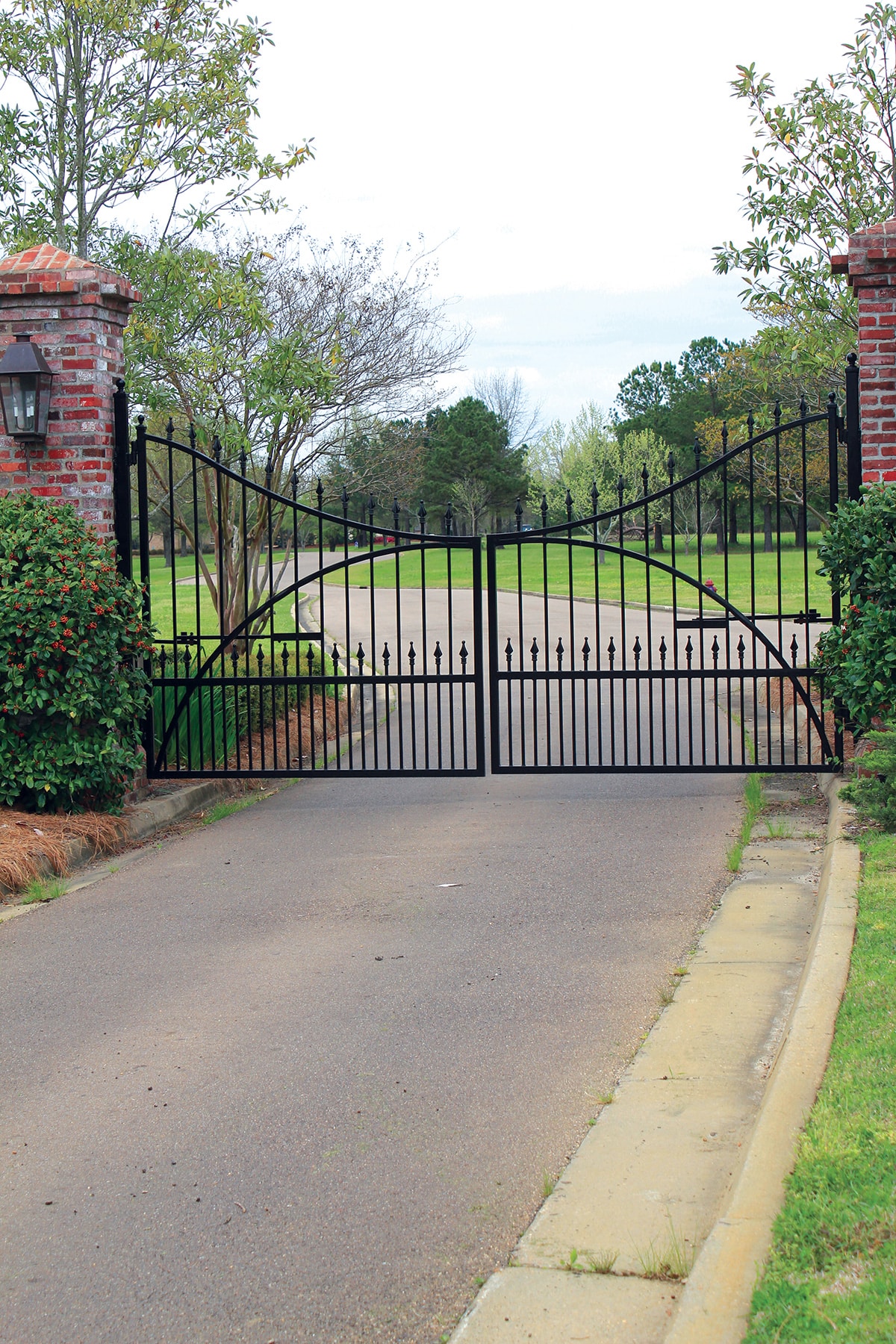
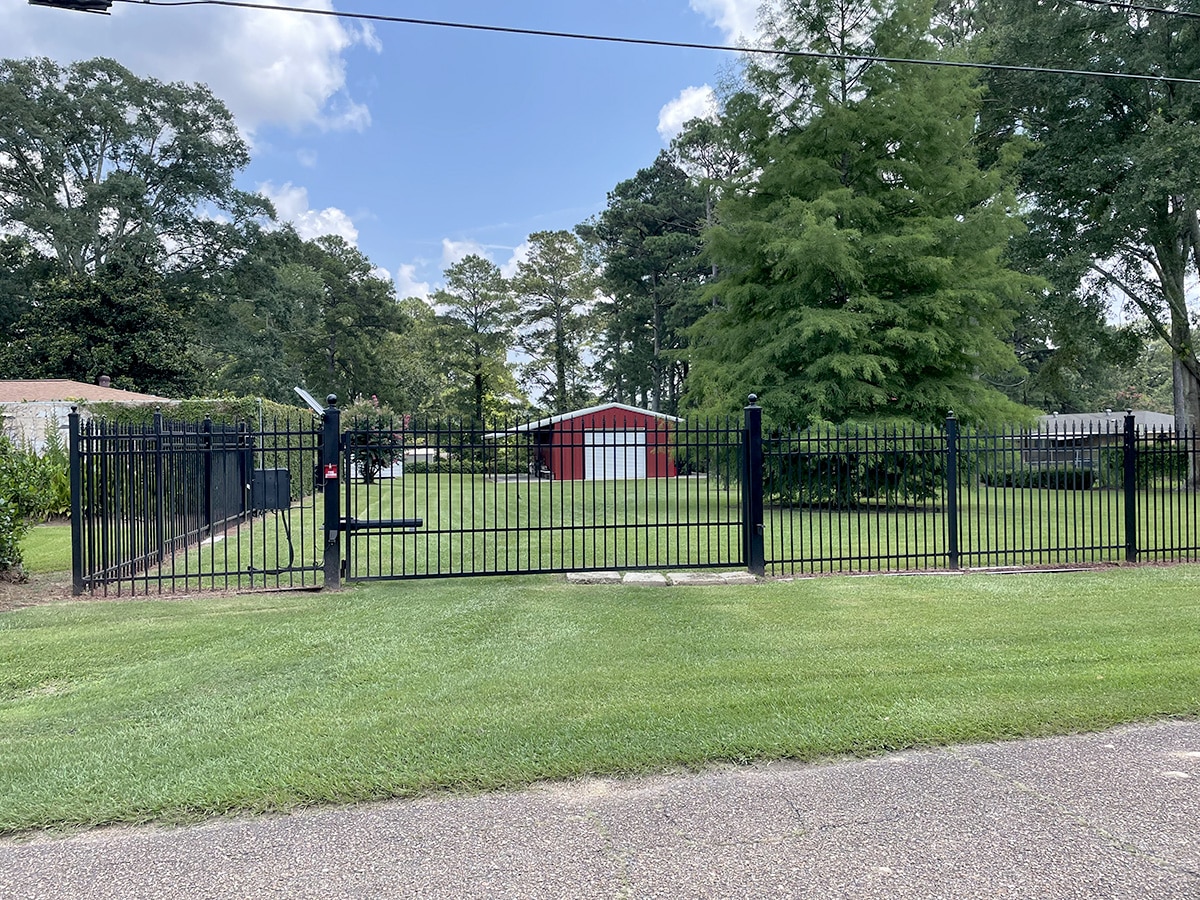
Iron gates are the perfect way to add security and beauty to any home or property. We custom build beautiful gates for driveways, walkways, fences, and front entrances. We offer both manual and automatic gates. Give us a call or fill out the form below to receive a FREE quote today!

We custom build each of our iron gates to fit any style, size, and color for your home or business. Our team will also measure, deliver and install your new iron gate if you are within our service areas.

  • Iron Driveway Gates
  • Iron Entrance Gates
  • Iron Fence Gates
  • Modern Iron Gates
  • Custom Iron Gates
  • Ornate Iron Gates
  • Decorative Iron Gates
  • Iron Walkway Gates
wrought iron gates for sale

Frequently Asked Questions About Wrought Iron Gates

Understanding Wrought Iron Gates

What is a wrought iron gate?

A wrought iron gate is a decorative and durable metal gate used to control access to a property. Traditionally, wrought iron gates are made from iron that has been heated and shaped by hand, which is where the term “wrought,” meaning worked or forged, comes from. Unlike mass-produced stamped steel panels, a wrought iron gate is individually fabricated, giving each piece a level of craftsmanship and character that simply cannot be replicated by machine production. They are commonly installed at driveways, entrances, gardens, and commercial properties to enhance security and curb appeal.

What makes wrought iron gates different from regular steel gates?

Wrought iron gates differ from standard steel gates in both their appearance and the way they are made. Wrought iron has a very low carbon content, typically below 0.08%, and contains slag fibers from the forging process that give it a distinctive grain-like texture. Regular steel gates are produced from a higher-carbon iron alloy through industrial processes and tend to have a uniform, machine-made appearance. 

Traditional wrought iron is heated and handcrafted into decorative designs, allowing for intricate scrollwork, curves, and custom details that are difficult to achieve with mass-produced steel gates. Wrought iron is also known for its durability and timeless aesthetic, making it a popular choice for homeowners seeking a more distinctive entrance. While standard steel gates often prioritize function and simplicity, wrought iron gates combine security with craftsmanship and architectural character.

How long have wrought iron gates been used?

Wrought iron has been used in architectural applications for centuries, with origins tracing back to 17th-century Europe. Grand estates, manor houses, chateaux, and institutional buildings were adorned with ornate wrought iron gates, signaling wealth, security, and refined taste. Many historic wrought iron gates still stand today, reflecting the long-lasting nature of quality ironwork. The tradition of hand-forged iron craftsmanship carried into American architecture and continues today through manufacturers like Iron Works USA, who combine centuries-old techniques with modern design capabilities.

Are wrought iron gates suitable for both residential and commercial properties?

Yes. Wrought iron gates are suitable for both residential and commercial properties, as they combine durability, security, and visual appeal. Residential applications include driveway entrance gates, front-yard pedestrian gates, pool-enclosure gates, courtyard gates, and garden gates. Commercial applications include office park entrance gates, hotel and resort entrance gates, restaurant courtyard gates, retail property boundaries, and industrial facility security gates. Iron Works USA serves both residential and commercial clients and can scale the design and structural specifications to match the demands of each application type.

What is the lifespan of a wrought iron gate?

A well-made wrought iron gate can last 50 years or more when properly maintained. In many cases, high-quality gates remain in use for decades with only periodic repairs and refinishing. The lifespan depends largely on the quality of fabrication, the protective coating applied, and the consistency with which the gate is maintained over time. Environmental factors also impact longevity – gates in coastal or high-moisture areas may require more frequent upkeep to prevent rust and corrosion. 

Iron Works USA uses high-quality materials and durable powder-coat finishes to maximize the service life of every gate they produce.

Types of Wrought Iron Gates

What types of wrought iron gates does Iron Works USA offer?

Iron Works USA manufactures a variety of wrought iron gates to suit virtually every property type and access need, including:

  •         Iron Driveway Gates: Single or double panel gates spanning vehicle access openings, available in swing or slide configurations
  •         Iron Entrance Gates: Grand statement gates for primary property entrances, often incorporating decorative arch tops, scrollwork, and finials
  •         Iron Fence Gates: Matching pedestrian or vehicle gates designed to integrate seamlessly with an existing iron fence system
  •         Iron Walkway Gates: Smaller single-panel gates for pedestrian pathways, garden entrances, and side yard access
  •         Decorative Iron Gates: Artistically detailed gates where visual impact is the primary consideration, ideal for courtyard or garden settings
  •         Ornate Iron Gates: Heavily embellished gates featuring scrollwork, medallions, finials, leaf motifs, and other handcrafted elements
  •         Modern Iron Gates: Clean-lined, minimal designs suited to contemporary and transitional architectural styles
  •         Custom Iron Gates: Fully bespoke gates designed and fabricated to any specification based on client input and design consultation

What is the difference between a driveway gate and a pedestrian gate?

A driveway gate is designed to span a vehicle access opening, typically ranging from 10 to 24 feet wide, depending on the number of vehicle lanes. These gates must be engineered to handle their own substantial weight and, if automated, the repeated mechanical cycling of opening and closing. 

A pedestrian gate is a narrow single-panel gate, typically 36 to 48 inches wide, designed for pedestrian access to a property, garden, pool area, or side yard. Many properties use both, which reduces wear on the larger gate and offers more convenient access without opening the full driveway.

What is a single gate versus a double gate?

A driveway gate is designed to span a vehicle access opening, typically ranging from 10 to 24 feet wide, depending on the number of vehicle lanes. These gates must be engineered to handle their own substantial weight and, if automated, the repeated mechanical cycling of opening and closing. 

A pedestrian gate is a narrow single-panel gate, typically 36 to 48 inches wide, designed for pedestrian access to a property, garden, pool area, or side yard. Many properties use both, which reduces wear on the larger gate and offers more convenient access without opening the full driveway.

What is a cantilever gate?

A cantilever gate is a type of sliding gate that operates without a ground track running across the driveway opening. Instead, the gate is counterbalanced on a track system set back from the opening, allowing the gate to slide horizontally without any track in the vehicle path. 

This design makes cantilever gates well-suited for areas where a ground track would be impractical due to debris, uneven surfaces, or weather conditions such as snow or mud. Because the gate is supported off the ground, the driveway surface remains completely clear. Cantilever gates do, however, require additional space beside the opening to accommodate the counterbalanced section of the gate, and are typically heavier and more complex than standard tracked sliding gate systems. 

Can I get a gate that matches my iron fence or iron door?

Yes. Gates can typically be designed to match existing iron fences or iron doors. Because these elements often share similar fabrication methods, materials, and finishes, design features such as scrollwork, panel styles, proportions, and powder coat colors can be coordinated across different parts of a property. 

As a full-service manufacturer, Iron Works USA fabricates a wide range of iron doors, railings, fences, and gates, all under one roof, making it simpler to achieve a cohesive, architecturally intentional result.

Gate Styles and Design Options

What design styles are available for wrought iron gates?

Wrought iron gates are available in a wide range of design styles, from highly decorative traditional patterns to clean modern forms. Iron Works USA offers both catalog designs and fully custom options. Common styles include:

  •         Victorian/Ornate: Elaborate scrollwork, floral motifs, intricate finials, and layered decorative elements. Ideal for traditional, historic, and stately homes
  •         Gothic: Strong vertical lines, pointed arch tops, and spear-tipped finials. Well-suited to Tudor, craftsman, and formal estate properties
  •         Mediterranean/Tuscan: Arched tops, vine and leaf scrollwork, grape cluster details, and warm finish tones. Perfect for Spanish Colonial, Tuscan, and mission-style homes
  •         Art Deco: Symmetrical geometric patterns, sunburst motifs, angular lines, and bold repeating forms. Ideal for unique artistic statements
  •         Modern/Contemporary: Flat bar construction, clean horizontal or vertical lines, and minimal or no ornamentation. Perfect for modern, transitional, and mid-century homes
  •         Rustic/Farmhouse: Hammered textures, raw finishes, and straightforward forged elements that complement natural materials
  •         Custom/Bespoke: Fully original designs incorporating client-specified motifs, crests, monograms, logos, natural imagery, or abstract concepts

Can I add decorative elements like scrolls, finials, or a monogram to my gate?

Yes. Wrought iron gates can be customized with a wide range of decorative elements to match the style of a property. Common additions include scrollwork, finials, monograms, address numbers, and custom design motifs.  

Scrollwork refers to curved metal designs often used to add visual detail to gate panels. Finials are the pointed or decorative tips placed at the top of vertical pickets or posts, available in a variety of designs, from simple spear points to elaborate fleur-de-lis, ball, or acorn shapes. Monograms, family crests, property names, address numbers, and even custom artistic motifs can be incorporated directly into the gate design through blacksmithing. These personalizations transform a gate from a functional barrier into a genuine statement piece.

What top shapes are available for wrought iron gates?

The silhouette of a gate’s top edge dramatically influences the overall character of the design. Iron Works USA can fabricate gates with a variety of top configurations including flat top (clean and minimal), arched top (a single centered arch for classical elegance), double arch (two smaller arches mirroring each other in a double gate), cathedral top (a pointed Gothic arch), eyebrow arch (a gentle subtle curve), and picket top (individual vertical pickets with varying heights creating a castellated or graduated profile). Each option suits different architectural styles and design intentions.

What finish and color options are available for wrought iron gates?

Iron Works USA finishes gates using a powder coating process, which involves applying a dry powder electrostatically to the metal surface and then curing it in an oven, bonding the finish at a molecular level. The result is a finish that is far more chip-, scratch-, and UV-resistant than conventional paint. 

Classic matte black is by far the most popular gate finish and suits virtually every architectural style. Other common finish options include oil-rubbed bronze, dark brown, hammered black, antique rust patina, and satin finishes. Custom color matching is available for clients who need to coordinate with specific existing elements.

Can the gate arch match an arched driveway opening or stone pillars?

Yes. Gates can be fabricated to match the precise arch of a stone, brick, or concrete entrance frame. If your entry pillars or walls feature an arched opening, the gate top profile can be shaped to follow that same curve, creating a seamless visual integration between the masonry and the ironwork. This level of detail requires accurate measurements and often a site visit or detailed photos, all of which Iron Works USA accommodates during the design and measurement process.

Swing Gates vs. Sliding Gates

What is the difference between a swing gate and a sliding gate?

A swing gate operates like a traditional door, opening inward or outward on hinges attached to a post or pillar. A sliding gate moves horizontally along a track or rail parallel to the fence or wall line. 

The main difference comes down to space and layout. Swing gates require clear space in front of or behind the gate to open fully, while sliding gates need space along the side of the opening for the gate to travel.

Swing gates are often used where there is enough clearance and a traditional look is preferred, while sliding gates are commonly chosen for driveways with limited space, slopes, or where it is impractical for a gate to swing open.

What are the advantages and disadvantages of swing gates?

Swing gates are the most traditional and widely used driveway gate configuration. Their primary advantages include a classic, elegant appearance that suits most architectural styles, simpler mechanical hardware with fewer moving components, generally lower cost for both the gate and the automation system, and straightforward installation on level or gently sloped sites. 

The main limitation of swing gates is the requirement for adequate clearance behind the gate for the full arc of the swing, which can be problematic on short driveways or tight urban lots. They can also struggle to operate properly on steep upward slopes, as the gate may drag or bind against the ground during opening.

What are the advantages and disadvantages of sliding gates?

Sliding gates move parallel to the fence line, making them ideal for properties where swing clearance is not available. They work well on steeply sloped driveways where a swing gate would drag on the ground. They also tend to be more secure in high-traffic commercial settings because they are harder to force open than a hinged swing gate. 

The primary disadvantage of sliding gates is the need for a long clear run of fence or wall beside the opening. This is to accommodate the full gate panel when open, more complex hardware, including tracks, rollers, and guides that require more regular maintenance, and generally higher installation costs.

How do I know whether a swing gate or a sliding gate is right for my driveway?

Choosing between a swing gate and a sliding gate depends primarily on your driveway layout and available space. If there is ample room inside the driveway for the gate to swing open without obstruction, a swing gate is a suitable option. It works well on level or gently sloped driveways and offers a traditional appearance. 

If space is limited behind or in front of the gate opening, or if the driveway has a steep slope, a sliding gate is often more practical because it moves parallel to the fence line rather than swinging outward or inward.

When considering security factors, commercial or high-security applications may favor sliding gates for their stronger resistance to forced entry. Your Iron Works USA representative will assess your property and help you identify which configuration best suits your specific conditions.

Can a single gate opening swing both inward and outward?

Choosing between a swing gate and a sliding gate depends primarily on your driveway layout and available space. If there is ample room inside the driveway for the gate to swing open without obstruction, a swing gate is a suitable option. It works well on level or gently sloped driveways and offers a traditional appearance. 

If space is limited behind or in front of the gate opening, or if the driveway has a steep slope, a sliding gate is often more practical because it moves parallel to the fence line rather than swinging outward or inward.

When considering security factors, commercial or high-security applications may favor sliding gates for their stronger resistance to forced entry. Your Iron Works USA representative will assess your property and help you identify which configuration best suits your specific conditions.

Automation and Access Control

Can wrought iron gates be automated?

Yes. Automated gate systems are among the most popular additions to wrought iron driveway gates and are available in both swing and sliding configurations. An automated gate opener is a motorized system that opens and closes the gate automatically and can be activated by remote controls, keypads, intercom systems, or sensors. 

Automation can often be incorporated during the initial design of a new gate or added to an existing manual gate, depending on its size, structure, and condition. In some cases, modifications or reinforcement may be required to ensure the gate operates safely and reliably with a motorized system.

What types of gate automation systems are available?

Gate automation systems are generally grouped by the type of movement and installation method.

  • Swing gate operators use articulated arms or linear actuators to open and close gates that move on hinges. These are typically electromechanical systems commonly used in residential applications. 
  • Underground operators are installed below ground at the base of the gate hinge point. They provide a concealed solution with no visible external motor components, making them popular for architectural or aesthetic-focused installations.
  • Sliding gate operators use a motor that drives the gate along a track system, usually via a rack-and-pinion mechanism. These systems are commonly used where space or slope makes swing gates impractical.

The appropriate system depends on the gate’s size and weight, the available space, usage frequency, and the desired visual appearance.

What types of gate automation systems are available?

Gate automation systems are generally grouped by the type of movement and installation method.

  • Swing gate operators use articulated arms or linear actuators to open and close gates that move on hinges. These are typically electromechanical systems commonly used in residential applications. 
  • Underground operators are installed below ground at the base of the gate hinge point. They provide a concealed solution with no visible external motor components, making them popular for architectural or aesthetic-focused installations.
  • Sliding gate operators use a motor that drives the gate along a track system, usually via a rack-and-pinion mechanism. These systems are commonly used where space or slope makes swing gates impractical.

The appropriate system depends on the gate’s size and weight, the available space, usage frequency, and the desired visual appearance.

What access control options are available for an automated gate?

Modern automated gate systems support a wide range of access control methods, and many property owners use several simultaneously. The most common options include:

  •         Remote Controls: Simple handheld transmitters that open the gate from inside your vehicle, similar to a garage door opener
  •         Keypad Entry: A numeric keypad mounted at the gate allows entry using a personal identification code. Ideal for family members, trusted contractors, and regular visitors
  •         Intercom Systems: Audio-only or video-enabled intercoms allow you to communicate with and visually verify visitors before granting access, from anywhere in the home
  •         Smartphone Integration: App-based control allows you to open, close, and monitor your gate from anywhere in the world using your smartphone
  •         Key Switch: A traditional keyed switch mounted on a post for secure manual override.
  •         Vehicle Loop Detectors: Sensors embedded in the driveway surface that detect the presence of a vehicle and trigger the gate to open or close automatically
  •         Card Readers and Fob Access: Common in commercial settings, these systems allow access via proximity card or key fob
  •         Biometric Systems: Fingerprint or facial recognition systems for maximum security in high-value commercial or residential applications

Do I need a power source for an automatic gate?

Yes. Standard electric gate operators require a 110V or 220V electrical connection at the gate post location. If running a hardwired electrical line to the gate is not feasible, solar-powered gate operators are a strong alternative. Solar operators use a photovoltaic panel and a battery backup system to power the gate independently of the grid. Solar systems work well in most climates as long as the panel receives adequate daily sunlight. Battery backup systems also ensure your gate continues to operate during power outages, an important consideration for any automated gate.

What happens to an automatic gate during a power outage?

Most quality automatic gate operators include a battery backup that maintains operation for a period of time during a power outage. Manual release mechanisms are also standard on all gate operators, allowing the gate to be disengaged from the drive system and operated by hand if the power is out and the battery backup is depleted. When selecting an operator, ask specifically about the battery backup duration and the manual release procedure. 

Iron Works USA can advise on which operating systems offer the most reliable backup performance for your usage level.

Are there safety features built into automatic gate systems?

Yes. Automatic gate systems are typically designed with multiple built-in safety features to help prevent injury and damage during operation.

A properly installed automatic gate system includes photo-eye safety sensors mounted on both sides of the gate opening. These sensors emit an infrared beam across the gate path, and if that beam is interrupted by a person, pet, vehicle, or object while the gate is closing, the gate immediately stops and reverses. 

This safety feature is standard in modern automated gate installations and is widely recommended or required under industry safety guidelines, depending on the region and application. Additional safety features include obstruction detection that senses resistance in the gate’s movement and reverses the direction, warning lights and audible alerts that activate as the gate begins to move and adjustable gate speed controls.

Can I integrate my iron gate with a smart home system?

Yes. Many modern gate operators are compatible with smart home platforms, such as Google Home, Amazon Alexa, and Apple HomeKit, as well as dedicated gate monitoring apps. This integration allows you to check the status of your gate (open or closed), receive alerts when the gate is accessed, grant temporary access to delivery services or guests remotely, and view a log of all gate activity. Video intercom systems can also be integrated with smart home displays or smartphones, giving you a complete picture of who is at your gate at any time.

Security Features and Benefits

How secure are wrought iron gates?

Wrought iron gates are among the most secure residential and commercial gate options available. The solid iron construction is extremely difficult to cut, bend, or force open with common tools. Unlike wooden gates that can be kicked or splintered, or hollow aluminum gates that can be deformed under pressure, wrought iron maintains its structural integrity under significant physical stress. The vertical pickets and decorative elements that fill the gate panel also eliminate the footholds that might make climbing easier, particularly when pointed finials are used at the top of the pickets.

What locking options are available for wrought iron gates?

Iron gates can be secured with a variety of locking mechanisms depending on the level of security required and whether the gate is manual or automated. Common options include:

  •         Padlocks and Hasps: Simple, portable, and effective for supplemental security on manual gates
  •         Slide Bolts and Drop Rods: Drop rods anchor into the ground through the gate panel, creating a passive ground lock that prevents the gate from being lifted or pushed open
  •         Deadbolts: Heavy-duty key-operated deadbolts provide strong primary security on pedestrian gates
  •         Magnetic Locks (Maglocks): Electromagnetic locks that create an extremely powerful holding force when energized, making the gate nearly impossible to force open
  •         Electric Strikes: Allow the lock to be released remotely by the access control system while remaining locked by default
  •         Multi-point Locking Systems: Lock the gate at multiple points along the frame simultaneously for maximum security

Does a wrought iron gate increase my home's security?

Significantly. A wrought iron gate at your driveway or property entrance creates a physical barrier that deters opportunistic intruders, slows down determined ones, and signals to anyone approaching that this is a protected and well-maintained property. Security professionals consistently rank perimeter barriers as the single most effective first line of defense against residential burglary. A gate forces any potential intruder to spend time and effort attempting entry, dramatically increasing the likelihood of detection. Combined with security cameras, motion lighting, and an intercom system, a wrought iron gate contributes to a layered approach to property security.

Can security cameras be integrated with an iron gate system?

Yes. Security cameras are a natural companion to a gate system and can be mounted on gate posts, adjacent walls, or overhead structures to provide visual coverage of the gate approach and entry area. Video intercom systems place the camera at the keypad or call station, giving you a direct view of visitors before you grant access. Cameras can feed into a home security system, record continuously to local or cloud storage, trigger motion-based alerts to your smartphone, and integrate with smart home platforms for seamless monitoring. 

Iron Works USA can advise on camera mounting configurations as part of the overall gate system design.

Sizing, Measurements, and Planning

What size gate do I need for my driveway?

The size of a driveway gate depends primarily on the width of the driveway opening, the type of gate system, and the size of vehicles that need access.

Residential driveway openings commonly range from about 10 to 24 feet wide, depending on whether the property is designed for one or two vehicles. Smaller single-vehicle driveways are often on the narrower end of this range, while wider driveways accommodate two vehicles or larger access needs.

Most residential driveway gates are typically between 4 and 6 feet tall, although taller designs may be used for increased privacy or security. The gate should be sized to fully cover the driveway opening while allowing for proper installation, movement (for swing or sliding systems), and structural support.

Iron Works USA will take precise measurements of your opening and help you determine the ideal gate dimensions.

How is a gate opening measured?

Gate opening width is measured from the inside face of one post or pillar to the inside face of the opposite post or pillar. This is the clear opening that the gate must span. 

Height is measured from the finished ground level to the desired top of the gate. It is also important to measure the available space on each side of the opening for post installation, as well as the clearance behind the gate for swing arc if a swing gate is planned. 

For out-of-area customers ordering gates for self- or local-installation, Iron Works USA will provide a detailed measurement guide to ensure accuracy before fabrication begins.

How wide does my driveway need to be to accommodate a double swing gate?

A double swing gate typically requires a driveway opening of around 12 to 24 feet, depending on the size of the vehicles and the overall design of the property. Smaller residential openings are usually at the lower end of this range, while wider driveways may require larger gate spans.

Each gate leaf opens on a hinge and requires clear space equal to its own width to swing open fully. For example, a 16-foot-wide double gate with two 8-foot panels will require approximately 8 feet of clear swing area on each side of the opening, free from obstacles such as walls, landscaping, or parked vehicles.

Proper planning of both the opening width and swing clearance is essential to ensure the gate operates smoothly and safely.

What height should my iron gate be?

Gate height depends on a combination of aesthetics, privacy needs, security requirements, and local regulations. 

A standard residential driveway gate is typically 4 to 6 feet tall. A 4-foot gate serves primarily as a property boundary marker and visual deterrent, while a 5 to 6-foot gate provides a more meaningful physical barrier. 

Commercial or high-security gates are often 6 to 8 feet tall or more, depending on the application. If privacy is a goal, the height can be increased, the spacing between pickets reduced, or decorative solid panels incorporated. 

Always verify local building codes and any HOA restrictions that may limit the maximum height of gates in your area.

What should I think about before ordering a custom iron gate?

Several planning considerations should be worked through before placing an order. Use this checklist as a guide:

  •         Driveway opening width and height requirements
  •         Available swing clearance (for swing gates) or slide clearance (for sliding gates)
  •         Driveway slope and grade at the gate location
  •         Type of posts or pillars the gate will be hinged to (stone, brick, steel, concrete)
  •         Whether automation is desired now or may be added later
  •         Power availability at or near the gate location for automation
  •         Preferred design style and whether it should coordinate with existing fencing or ironwork
  •         Local building codes governing gate height, setback, and permit requirements
  •         HOA rules and whether design approval is needed
  •         Budget range including gate, installation, automation, and any access control   components
  •         Timeline and project completion date

Pricing, Cost Factors, and Financing

How much do wrought iron gates cost?

Wrought iron gate costs vary based on size, design complexity, automation requirements, and installation conditions. As a general rule, a basic wrought iron gate typically costs between $2,500 and $5,000. Custom ornamental gates with intricate scrollwork and decorative elements range from $5,000 to $15,000 or more. Automated gate systems add $3,000 to $10,000, depending on the operator type and access control features selected. Installation costs typically range from $1,000 to $4,000, depending on site conditions and installation complexity. 

Iron Works USA provides free custom quotes so you get an accurate project-specific number rather than relying on general averages. Reach out at (877) 281-8232 or visit www.usaironworks.com to get started.

What factors affect the final cost of a wrought iron gate project?

The cost of a wrought iron gate project is influenced by several factors, including design, materials, fabrication, and installation conditions. The key cost factors are:

  •         Gate Size: Larger openings require more material and more powerful automation hardware
  •         Design Complexity: Elaborate scrollwork, custom panels, and ornate decorative details require more skilled labor and fabrication time
  •         Single vs. Double Gate: Double gates require more panels and more hardware
  •         Automation: The type of operator, access control features, and any smart home integration significantly affect cost
  •         Material Quality and Finish: Premium powder coat finishes and high-grade hardware add to the overall investment
  •         Post and Pillar Work: If new posts or entry pillars need to be installed alongside the gate, this adds material and labor costs
  •         Site Conditions: Rocky soil, sloped terrain, concrete cutting, and difficult access all increase installation labor costs
  •         Permits: Building permits typically range from $30 to several hundred dollars, depending on the jurisdiction
  •         Decorative Elements: Custom monograms, crests, finials, and medallions require additional fabrication time
  •         Delivery: Distance and freight requirements for out-of-area orders affect the total delivered cost


Wrought Iron Gate Cost Reference Guide

Service / Component Estimated Cost Range
Basic Wrought Iron Gate $2,500 – $5,000
Custom Ornamental Gate $5,000 – $15,000+
Automated Gate System (operator + access control) $3,000 – $10,000
Professional Installation $1,000 – $4,000
Powder Coating Finish $500 – $1,500
Gate Restoration and Repair $500 – $2,500
Hardware Replacement $200 – $800
Building Permit $30 – $500+
Manual Gate (basic) $300 – $1,200
Full Automated Entry System $5,000 – $12,000+

Does Iron Works USA offer financing?

Yes. Iron Works USA offers 0% APR financing for up to 60 months on their products. This makes it significantly more accessible to invest in a custom wrought iron gate system without needing to pay the full project cost upfront. Whether your project is a simple pedestrian walkway gate or a fully automated double driveway gate with a smart access control system, financing allows you to get exactly what you want without compromising on quality or features. Ask about financing eligibility and terms when requesting your free quote.


Is a wrought iron gate worth the investment?

 Whether a wrought iron gate is worth the investment depends on your budget, property needs, and long-term expectations.

Wrought iron gates are valued for their durability, custom design options, and ability to enhance a property’s appearance and curb appeal. They can also provide a strong physical boundary and, when well designed, form part of a broader security system. Compared to materials like wood or vinyl, iron gates generally have a longer lifespan when properly maintained, making them cost-effective over time. However, they do require a higher upfront investment and may need periodic maintenance depending on environmental conditions and finish quality.

For many property owners, the decision comes down to whether they prioritize long-term durability, custom design, and a more permanent architectural feature over lower initial cost alternatives.

Building Codes, Permits, and HOA Requirements

Do I need a permit to install a wrought iron gate?

In most jurisdictions, a building permit is required for gate installation, particularly for automated vehicular gates and for any gate that exceeds a certain height threshold. Permit requirements vary significantly by city, county, and state. Some municipalities require permits only for automated gates or gates above a specific height, while others require permits for any new gate installation, regardless of type. 

Iron Works USA strongly recommends contacting your local building department before beginning any gate project to determine the specific permit requirements, setback regulations, and any inspection requirements that apply in your area.

Are there building code requirements that apply to driveway gates?

Yes. Driveway gates are subject to a combination of local zoning regulations, building requirements, and safety standards that vary by jurisdiction. These rules may address factors, such as gate height in certain setback areas, placement relative to property lines or sidewalks, and access requirements for emergency services in some commercial or regulated zones. 

In addition to local regulations, automated gates must comply with safety standards for motorized gate operators, such as UL 325, which governs entrapment protection and operational safety features. Always verify current code requirements with your local building authority.

What is UL 325, and why does it matter for automated gates?

UL 325 is the Underwriters Laboratories standard for the safety of door, driveway, and barrier gate operators. It establishes requirements for entrapment protection, meaning the gate operator must be able to detect an obstruction in the gate’s path and reverse to prevent injury or damage. Gate operators that are UL 325 listed have been tested and certified to meet these safety requirements. In many jurisdictions, a UL 325-compliant operator is required for any new automated gate installation. 

Iron Works USA recommends always specifying UL 325-listed operators for any automated gate system.

Should I check with my HOA before installing a wrought iron gate?

Absolutely. If your property falls within an HOA-governed community, you should always review the community’s covenants, conditions, and restrictions (CC&Rs) and submit a design for approval before proceeding with any gate installation. Most HOAs have specific requirements or guidelines covering gate height, material type, color and finish, design style, and sometimes even the specific brands or types of automation hardware permitted. 

Because requirements vary significantly between communities, it is important to obtain written approval before installation to ensure compliance with HOA rules and avoid potential disputes.

Are there utility easement considerations I need to be aware of?

Yes. Before installing gate posts or any underground components of an automated gate system, you need to verify the locations of underground utilities, including electrical lines, water lines, gas lines, and telecommunication cables. 

In the United States, utility locating services are commonly accessed by calling 811 before excavation work begins, as this helps mark public utility lines and reduce the risk of accidental damage. Gate post foundations require excavation, and striking an underground utility line can be dangerous, cause service disruptions, and result in costly repairs. 

Iron Works USA professional installers are experienced in coordinating with utility-locating services before any post-installation work begins.

The Installation Process

Does Iron Works USA install the gates they manufacture?

Yes. For customers within the Iron Works USA service area, the company provides full professional installation, including site measurement, fabrication, delivery, and installation. Our experienced installation teams handle every step of the process from initial site assessment through final calibration and testing of automated systems.

What does the gate installation process involve?

A professional gate installation follows a structured process to ensure long-term performance and safety. The key stages include:

  •         Site Assessment: The installer evaluates the opening dimensions, ground conditions, slope, soil type, and available utilities.
  •         Post Installation: Gate posts or pillars are set in concrete footings engineered for the weight and leverage forces of the gate. Proper post depth and concrete volume are critical for long-term stability.
  •         Gate Hanging: The gate panels are hung on the posts using heavy-duty hinges rated for the gate’s weight. Precise alignment is essential for smooth operation.
  •         Hardware Installation: Latches, locks, drop rods, and any manual security hardware are installed and tested.
  •         Automation Installation (if applicable): The gate operator is mounted, wired to the power source, and connected to the gate. Safety sensors are installed and calibrated.
  •         Access Control Setup: Keypads, intercoms, remote controls, and any smartphone integration are configured and tested.
  •         Final Inspection: The installer verifies that the gate opens and closes smoothly, that safety sensors function correctly, and that all hardware is properly secured.
  •         Client Walkthrough: The installer explains operation, maintenance requirements, and provides any operator manuals or warranty documentation.


How important is the quality of the gate post installation?

Extremely important. The posts are the foundation of the entire gate system, and poor post installation is the most common cause of gate failure over time. A heavy wrought-iron gate exerts enormous leverage on its hinge post. If that post is not set deep enough, not surrounded by adequate concrete, or not properly aligned, the post will shift over time, causing the gate to sag, bind, rub the ground, or fail to latch properly. Proper installation typically involves setting posts in reinforced concrete footings that are appropriately sized for the gate’s weight, dimensions, and local ground conditions. 

Iron Works USA professional installers ensure posts are set correctly from the start, saving you from costly remediation down the road.

How long does a gate installation take?

Installation time depends on the scope and complexity of the project. A simple manual pedestrian gate may be installed in a few hours. A double driveway swing gate with new posts set in concrete typically takes one day for installation, plus time for the concrete to cure before the gate is hung. Automated gate systems with keypad, intercom, and smart access control integration may take one to two full days, depending on the complexity of the wiring and system configuration. 

Your Iron Works USA representative will provide a realistic timeline during the project planning phase.

Can a gate be added to an existing iron fence?

Yes. Adding a gate to an existing iron fence is a common project. Iron Works USA can fabricate a gate that matches the style, height, and finish of your existing fence panels and install it within the fence line. This may involve installing new gate posts between existing fence sections or, if the fence was designed with future gate installation in mind, simply hanging the gate on existing structural posts. The key requirement is that the posts supporting the gate must be substantial enough to handle the gate’s weight and the mechanical stress of repeated opening and closing.

Maintenance and Care

How much maintenance do wrought iron gates require?

Wrought iron gates are generally considered relatively low-maintenance compared to materials such as wood, which require regular sealing or repainting and can be affected by rot or warping.

When protected with a durable powder coat finish, wrought iron typically requires only periodic cleaning, occasional inspection of the coating, and lubrication of hinges or moving hardware. Maintenance needs are primarily focused on preserving the protective finish. If scratches or chips occur, they should be addressed promptly to help prevent corrosion of the underlying metal.

In coastal or high-moisture environments, more frequent inspection and maintenance may be necessary due to increased exposure to salt and humidity.

How do I clean a wrought iron gate?

Cleaning a wrought iron gate is simple and typically only requires basic household materials. Use warm water with a mild dish soap and a soft cloth or sponge to gently clean the surface of the gate.

Work across all areas of the gate, including rails, pickets, and decorative details, paying particular attention to horizontal surfaces and crevices where water and debris tend to accumulate, as these are the most common starting points for rust if the finish is compromised. 

After cleaning, rinse with clean water and dry the surface with a soft, lint-free cloth to reduce water spotting and lingering moisture. Avoid abrasive materials such as steel wool or wire brushes, as they can damage the protective powder-coat finish and expose the underlying metal.

In most environments, a thorough cleaning once or twice a year is sufficient, although properties in coastal, high-moisture, or dusty environments may benefit from more frequent maintenance.

Will a wrought iron gate rust?

Wrought iron has natural corrosion resistance that exceeds regular mild steel, particularly when the iron’s slag inclusions are properly sealed by a quality finish. However, if the powder coat is chipped, scratched, or compromised, the exposed metal can develop surface rust when exposed to moisture. The key to preventing rust is maintaining the integrity of the protective finish. Inspect your gate periodically, especially after harsh weather, and address any finish damage promptly with touch-up paint or primer to prevent moisture from reaching the bare iron.

How do I treat rust on a wrought iron gate?

Surface rust should be addressed as soon as it is noticed to prevent it from spreading. Start by removing loose rust flakes with a wire brush or fine steel wool, working carefully to avoid expanding the damaged area. Apply a rust converter product to the affected area, which chemically transforms active rust into a stable compound. Once the treatment has cured, apply a rust-inhibiting primer to the affected area, followed by a topcoat that matches your gate’s powder-coat color.

How do I maintain the automated hardware on my gate?

Automated gate hardware requires its own maintenance routine separate from the finish care of the iron. Hinges, pivot points, wheels, tracks, and rollers should be inspected and lubricated every six months using a silicone-based lubricant or a manufacturer-recommended gate lubricant. 

  • Clear any debris from tracks, rollers, and guide channels that could cause binding or wear. 
  • Inspect the gate operator for any signs of damage to the housing, water intrusion, or corrosion.
  • Check that safety sensors are clean, properly aligned, and functioning correctly by periodically testing them with a physical obstruction. 
  • Battery backups should be tested and replaced per the manufacturer’s recommendations.

How often should I paint or refinish my wrought iron gate?

A quality powder coat finish on a well-maintained gate can last 5 to 10 years or more before requiring a full refinish. In coastal or high-humidity environments, or where the gate is exposed to heavy road salt in winter, refinishing may be appropriate every 3 to 5 years. The best indicator is the condition of the finish itself: if you see widespread dullness, crazing, flaking, or multiple rust initiation points despite regular touch-up maintenance, a full strip and re-coat is more practical than continued spot repairs. 

Wrought Iron vs. Other Gate Materials

How does wrought iron compare to aluminum gates?

Aluminum gates are lighter, naturally rust-proof without any finish, and typically less expensive than wrought iron. However, aluminum has significantly lower structural strength and lacks the visual weight, richness, and craftsmanship character of hand-forged iron. Aluminum gates tend to look and feel like a mass-produced product, and cannot be worked into the intricate scrollwork and decorative forms that wrought iron allows. 

The best choice depends on budget, environmental conditions, and design preference. For homeowners who want a gate that commands attention, holds up to physical stress, and retains its value and character over decades, wrought iron is the clear choice. Aluminum is a practical, cost-effective option; however, it lacks the aesthetic and structural quality of iron.

How does wrought iron compare to wood gates?

Wooden gates offer natural warmth and can be attractive in certain design contexts, but they come with substantial long-term maintenance demands. Wood is vulnerable to moisture, rot, warping, UV fading, and insect damage. A wood gate in a wet or humid climate can deteriorate significantly within a decade without regular sanding, staining, and sealing. 

Wrought iron, by contrast, does not rot, warp, or crack, holds its shape indefinitely, and maintains its appearance with far less effort over its lifetime. The security profile of iron also far exceeds that of wood, which can be forced or splintered with relatively common tools.

How does wrought iron compare to vinyl or PVC gates?

Vinyl gates are low maintenance and resist moisture, but they are far less secure than iron, are prone to cracking or brittleness in extreme cold, fade or yellow under prolonged UV exposure, and cannot be repaired effectively once damaged. Vinyl also has virtually no design flexibility for custom or ornamental work. The curb appeal impact of vinyl is minimal compared to a handcrafted iron gate, and vinyl adds nothing meaningful to property value. Wrought iron outperforms vinyl in security, aesthetics, longevity, and overall value addition in every meaningful category.

Gate Material Comparison Overview

Feature Wrought Iron Aluminum Wood Vinyl
Security Strength Excellent Moderate Moderate Poor
Durability/Lifespan 50+ Years 30-40 Years 10-20 Years 15-25 Years
Design Flexibility Excellent Moderate Good Limited
Maintenance Required Low Very Low High Very Low
Rust/Rot Resistance Very Good Excellent Poor Excellent
Relative Cost Moderate-High Moderate Low-Moderate Low


Ordering, Customization Process, and Shipping

How do I start the process of ordering a custom wrought iron gate from Iron Works USA?

The process begins with an initial inquiry, where you provide basic project details such as driveway or opening dimensions, design preferences, and whether you are considering automation.  From there, the manufacturer or design team develops a preliminary quote and discusses design options. If the project proceeds, more detailed measurements and specifications are collected to ensure accurate fabrication. 

Contact Iron Works USA by phone at (877) 281-8232 or through the website at www.usaironworks.com to request a free custom quote. The consultation is free, and there is no obligation.

Does Iron Works USA ship gates nationwide?

No. Iron Works USA does not ship gates nationwide. Availability is limited to specific service and delivery areas, depending on the project. For customers outside the direct service area, alternative arrangements or local providers may be required for sourcing and installation. Any installation and delivery options depend on location and project feasibility. 

How long does it take to receive a custom gate?

Lead times depend on the complexity of your design and current production schedules. Standard designs from the existing catalog may be produced more quickly than fully bespoke custom fabrications. Your Iron Works USA representative will provide a specific timeline at the time of order. Allow adequate lead time if your gate is tied to a construction schedule, landscape installation, or a specific move-in date. Planning ahead gives the fabrication team the time needed to produce a gate that truly meets your standards.

Can I see design examples before committing to an order?

Yes. Iron Works USA maintains a portfolio of gate designs that you can view on their website at www.usaironworks.com/iron-gates. The team can also share examples of past projects, discuss specific design configurations, and use design tools to develop a visual representation of your custom concept. Reviewing and approving a design before production begins ensures you are completely satisfied with the direction before any fabrication takes place.

Additional Questions

Can a wrought iron gate be repaired if it is damaged?

Yes. Most wrought iron gate damage, including bent pickets, broken welds, damaged hinges, and finish deterioration, can be repaired by an experienced fabricator. Iron is a weldable material, which means detached or broken sections can typically be re-welded and refinished to match the original appearance. 

Our team will assess all damaged gates manufactured and installed by Iron Works USA, and advise on whether repair or replacement of specific components is the most practical and cost-effective approach. Contact us at (877) 281-8232 to discuss your specific situation.

Does a wrought iron gate add value to my property?

A wrought iron gate can enhance the perceived value of a property by improving curb appeal and creating a strong first impression at the entrance. High-quality entry features are often associated with well-maintained homes and can positively influence buyer perceptions in real estate markets. The overall impact on value depends on factors such as location, property type, and the broader condition and design of the home; however a well-designed gate is generally considered an attractive architectural improvement.

Can I have a gate made that incorporates my house number or family name?

Yes. Custom lettering, numerals, crests, monograms, and property names can all be incorporated into wrought iron gate designs. Numbers and letters are typically formed from flat bar or round bar iron and welded directly into the gate panel as part of the design composition. This personalization adds a distinctive and sophisticated touch that makes your gate truly unique to your property. Bring your ideas to the design consultation, and the Iron Works USA team can show you how the lettering or crest would integrate with your chosen gate style.

What are the business hours for Iron Works USA?

 Iron Works USA is available Monday through Friday from 9:00 AM to 5:00 PM and Saturday from 9:00 AM to 1:00 PM. Call (877) 281-8232 or submit a request through www.usaironworks.com to get in touch with the team for quotes, design consultations, order updates, or any other questions about your gate project.

Why should I choose Iron Works USA for my wrought iron gate?

Iron Works USA brings decades of manufacturing experience, genuine custom fabrication capability, and a full-service approach that covers everything from initial design through professional installation. As a direct manufacturer, you avoid the markup of retail middlemen and work directly with the people building your gate. Iron Works USA serves both residential and commercial clients and backs every product with the quality standards that have made it a trusted name in iron fabrication. Whether you need a simple pedestrian gate or a grand automated double-driveway entrance with smart access control, our team has the expertise, tools, and craftsmanship to deliver exactly what you envision.