We Design, Manufacture & Ship Nationwide.
0% APR for 60 months*
Fill Out The Form Below To Request A Custom Quote
Your privacy is important to us. We’ll never share your information for any reason.
Wrought Iron Railings, Handrails & Iron Balconies Are Our Speciality
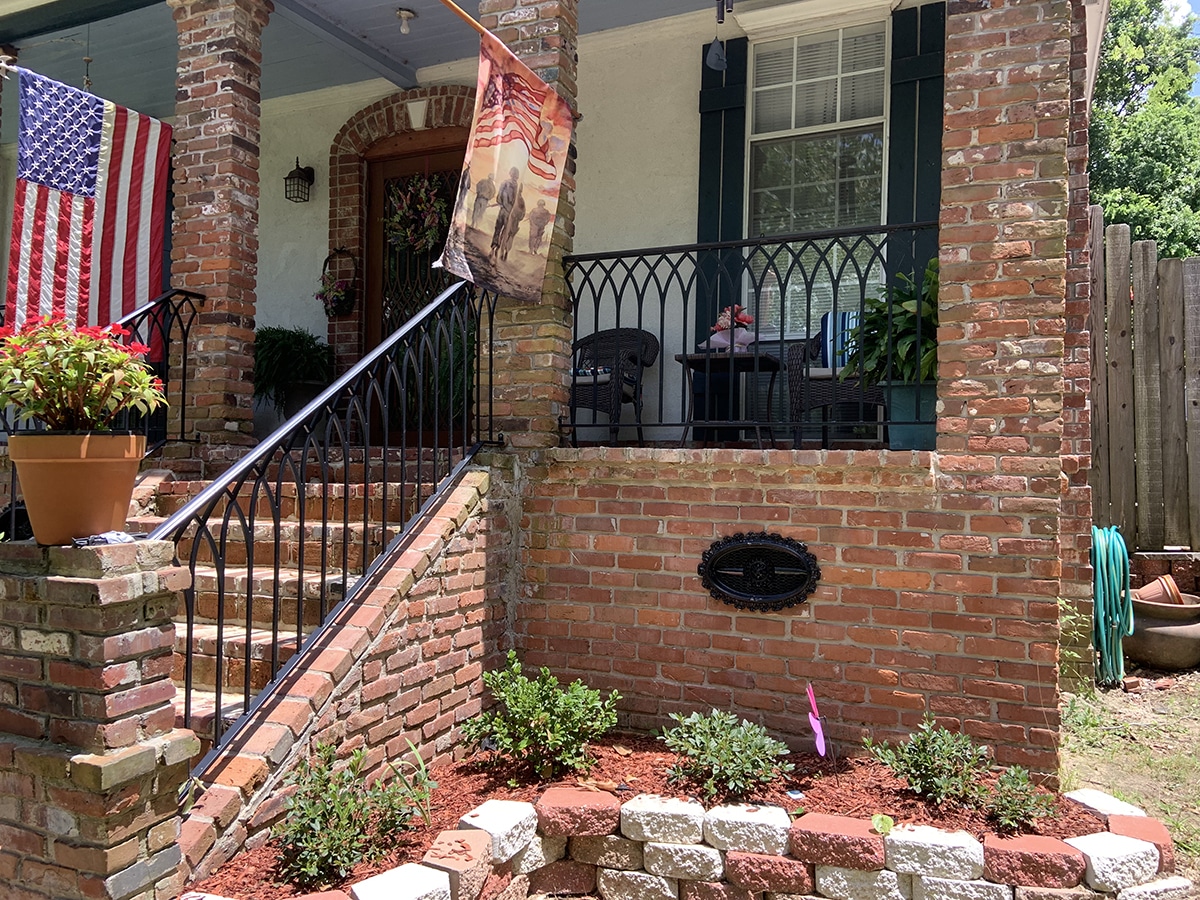
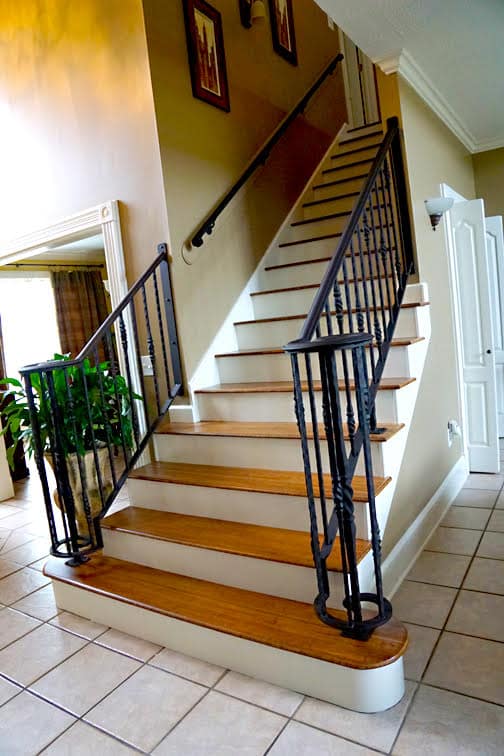
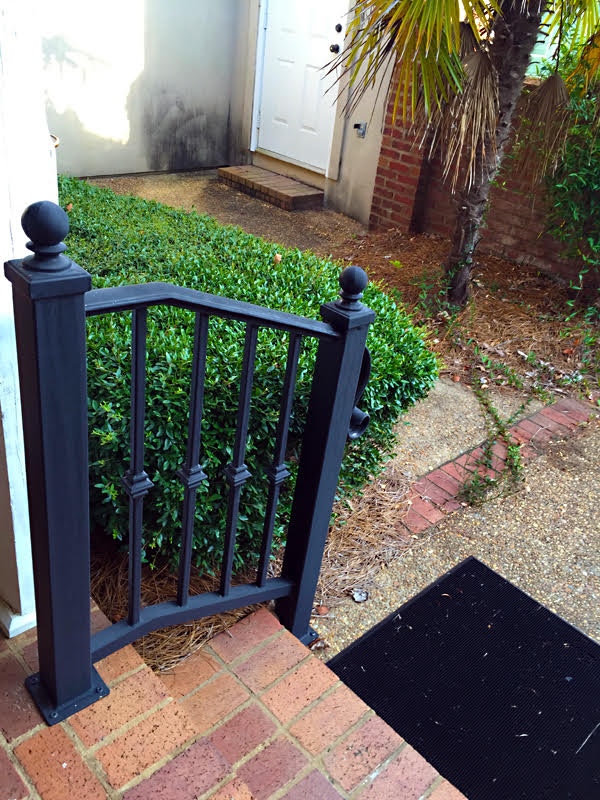
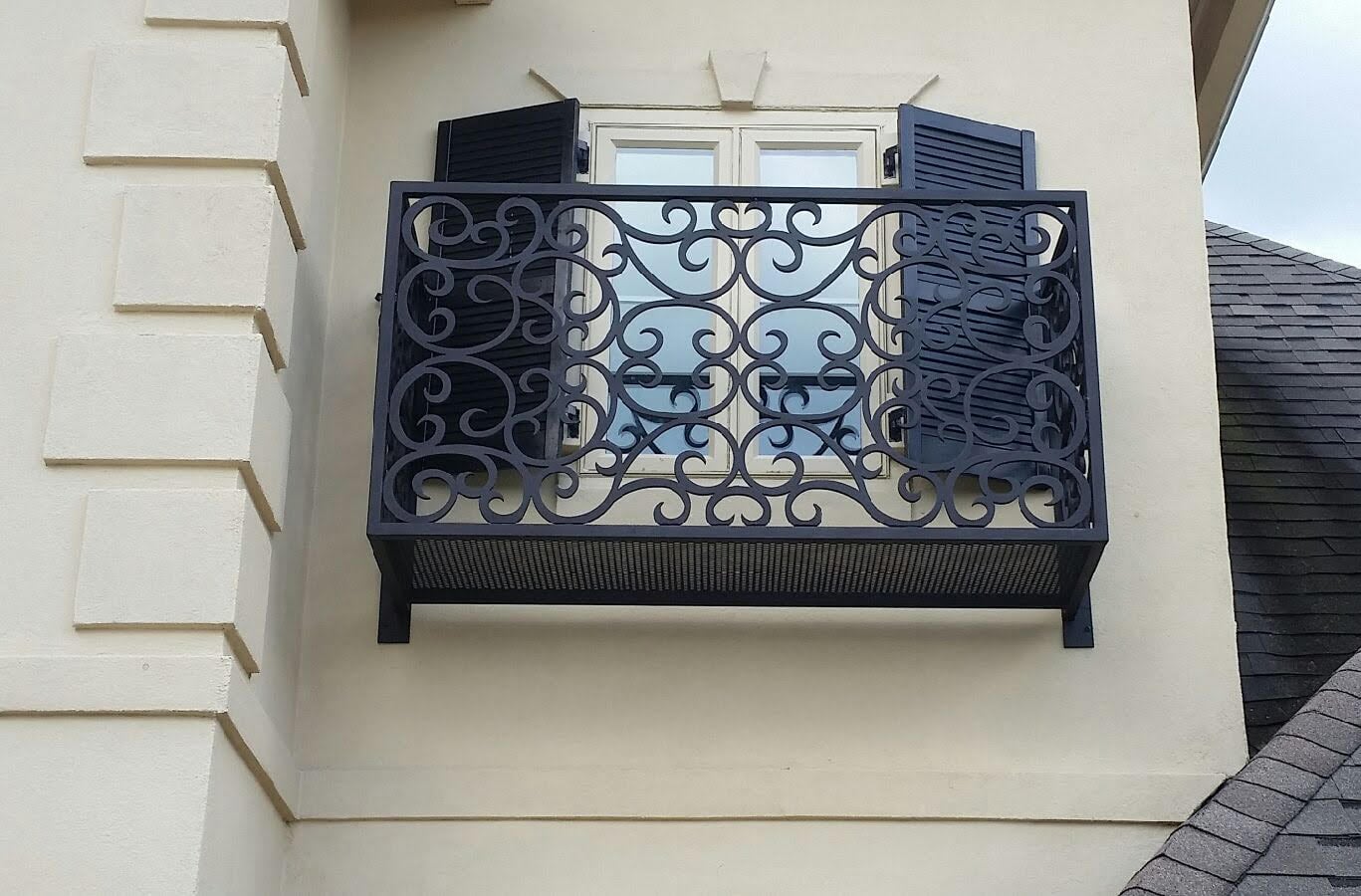
Whether it’s for an inside staircase, outside steps, a raised patio, or balcony, the experts at Iron Works USA is here for your handrail and railing needs. Give us a call or fill out the form below to receive a FREE quote today!
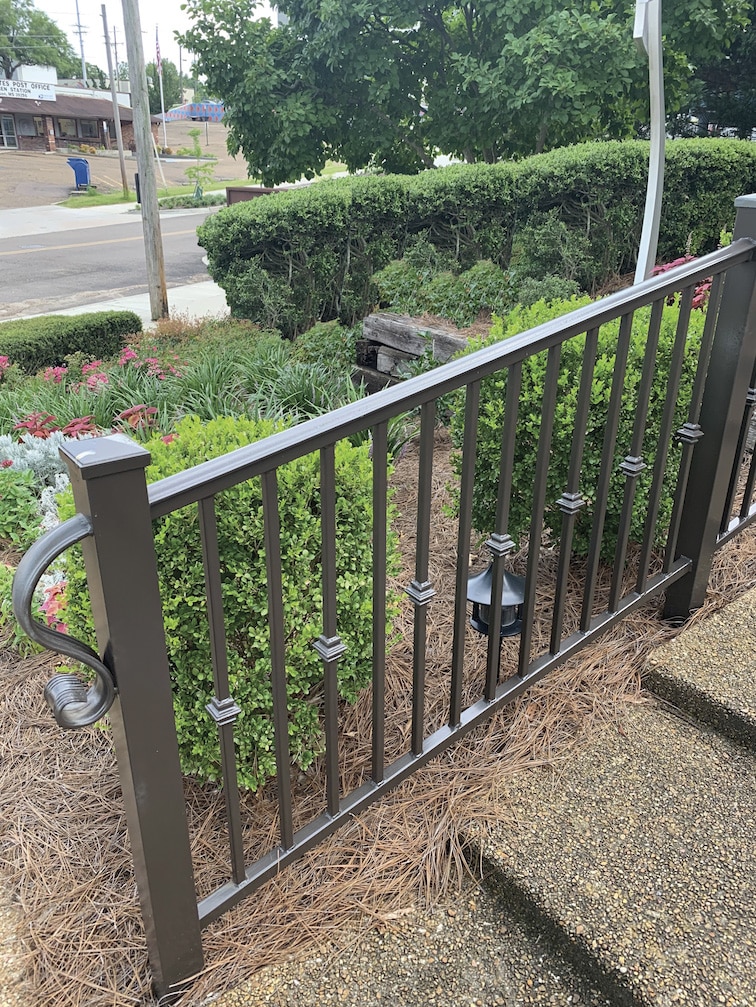
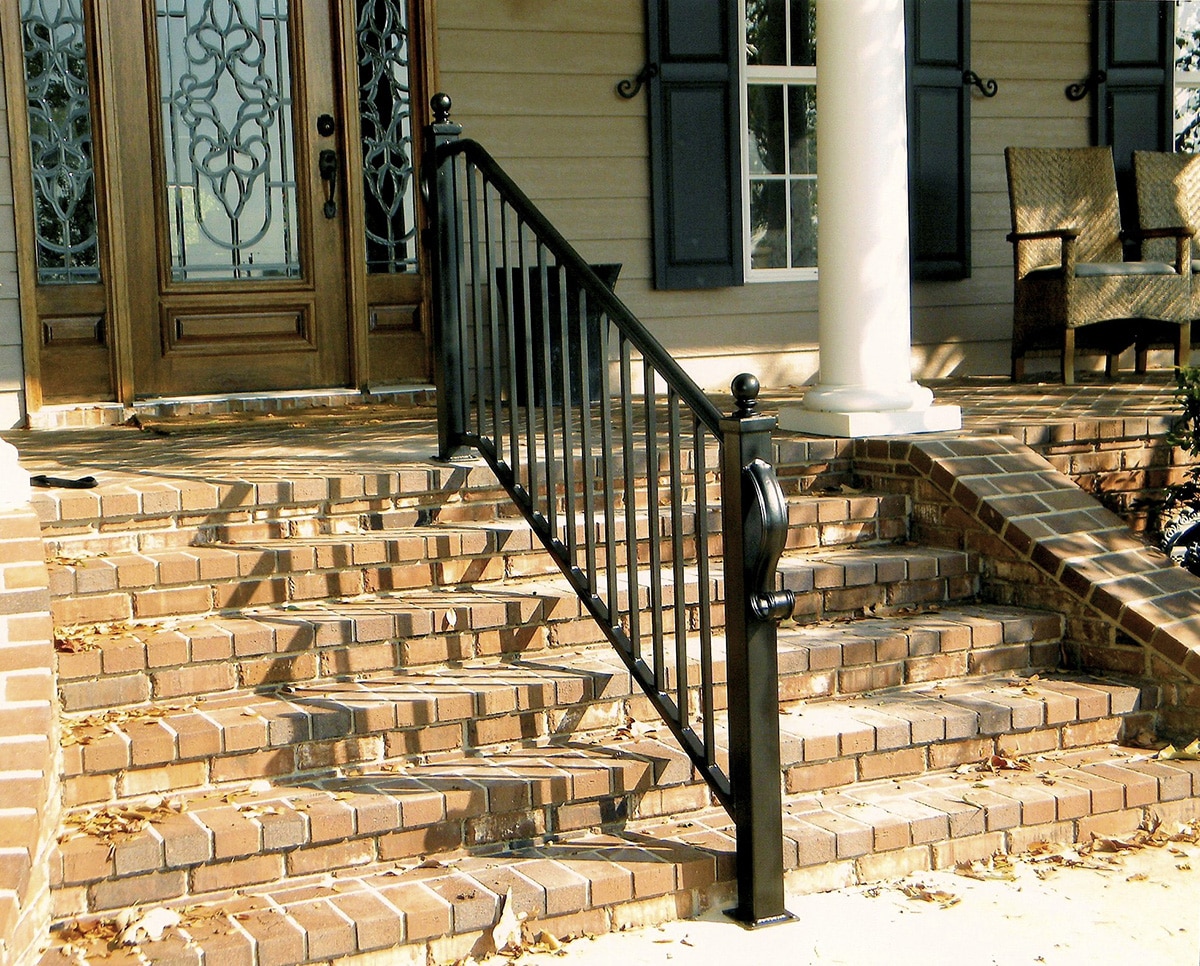
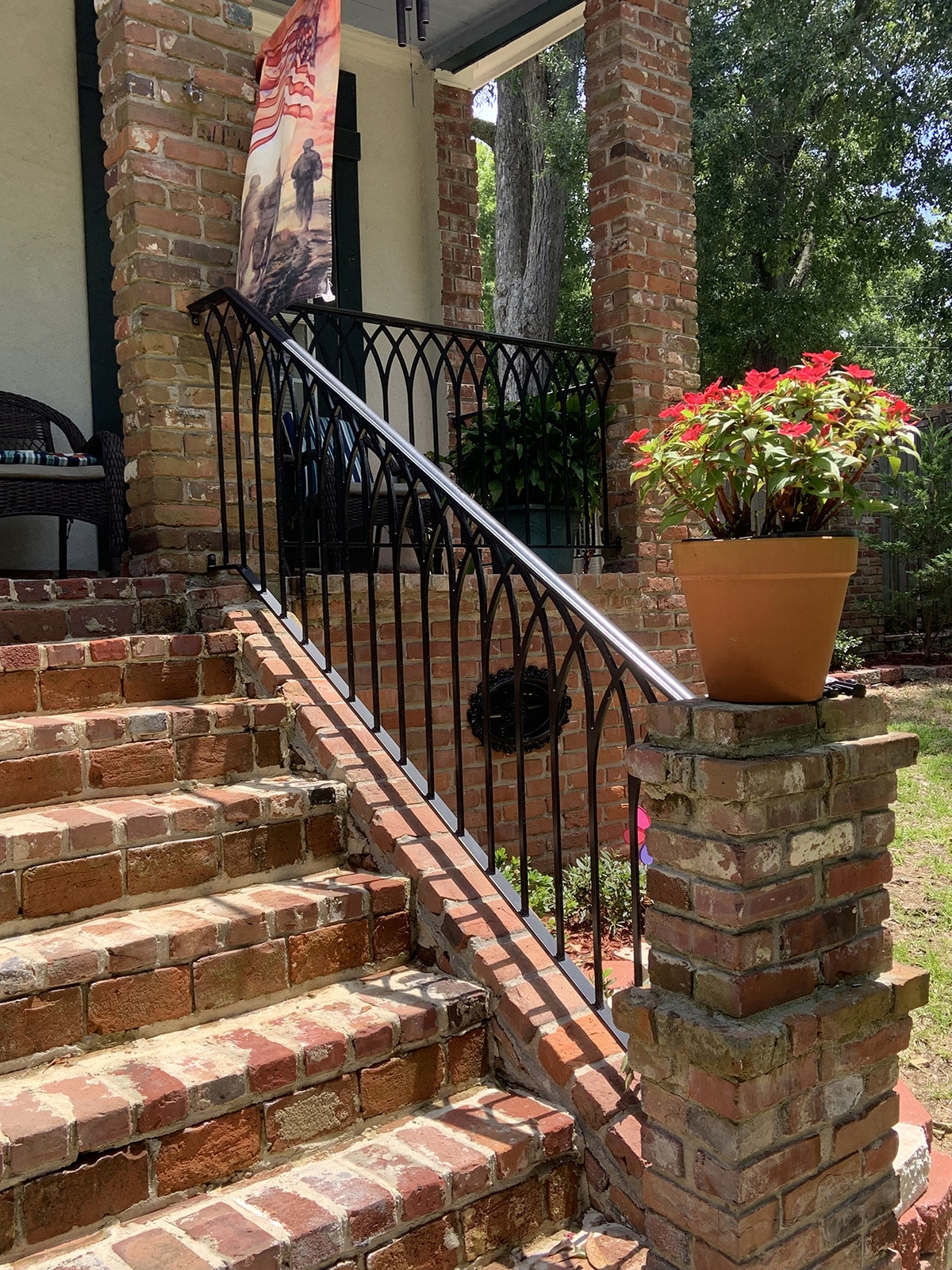
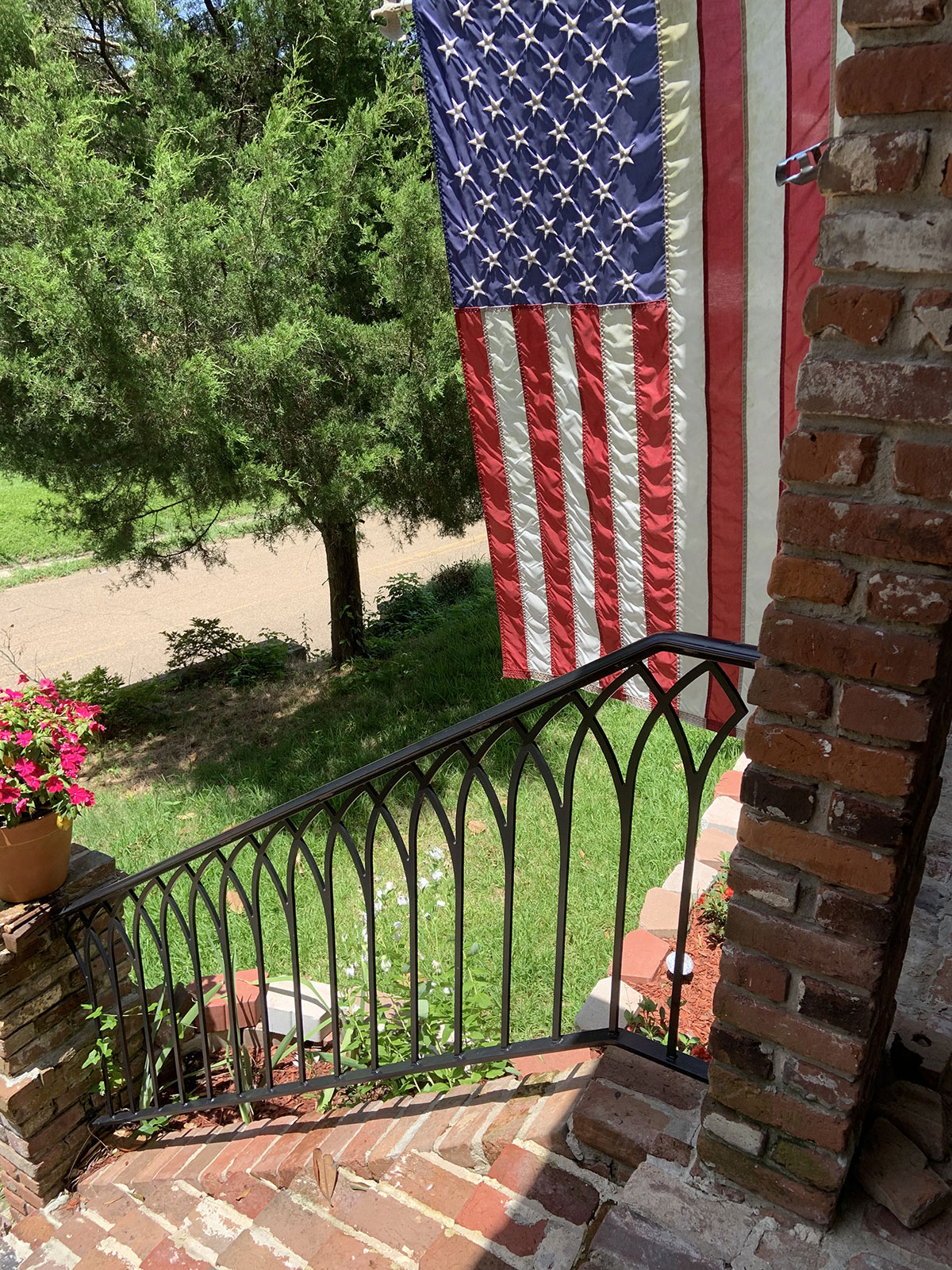
We custom build each of our balconies, iron handrails & iron railings to fit any style, size, and color for your home or business. Our team will also measure, deliver and install your new iron balcony, iron railings or iron handrails if you are within our service areas.
- Cast Iron Railings
- Decorative Handrails
- Iron Exterior Railings
- Iron Stair Railings
- Iron Porch Railings
- Iron Deck Railings
- Iron Handrails
- Iron Railings for Balconies
- Iron Staircases
- Outdoor Wrought Iron Railings
- Porch Railings
- Stair Railings
[/vc_column_text][/vc_column][/vc_row]
Frequently Asked Questions About Wrought Iron Balconies, Handrails & Railings
Understanding Wrought Iron Railings, Handrails, and Balconies
What is a wrought iron railing?
A wrought iron railing is a decorative and protective structural barrier commonly installed along staircases, balconies, porches, decks, and elevated walkways. The term “wrought” refers to the process of heating and shaping the iron by hand or with specialized tools. Wrought iron railings are known for their durability and strength, and can be customized with ornamental details or simple, modern lines, making them a popular choice for both residential and commercial properties.
What is the difference between a railing, a handrail, a guardrail, and a baluster?
These terms refer to the different components of a railing system. A handrail is the part you grip for support when going up or down stairs. A guardrail (sometimes called a guard) is a safety barrier installed along open edges, such as balconies, decks, or stair landings, to help prevent falls. A baluster (or spindle) is one of the vertical posts that sit between the top rail and the base, filling the open space and helping maintain safe spacing.
What is the difference between wrought iron and cast iron?
Wrought iron has a very low carbon content (typically below 0.08%) and is shaped by hand through heating and working the metal with tools, making it strong, ductile, and malleable. Cast iron, by contrast, contains a higher carbon content (about 2 to 4%) and is produced by pouring molten metal into molds. It is hard and strong under compression, but more brittle and prone to cracking under impact or stress. Because of these differences, the two materials behave very differently in use and are chosen for different types of applications.
What is the difference between wrought iron and steel railings?
Steel railings are made from manufactured steel, an alloy of iron and carbon, and are typically produced in consistent grades and standard shapes for construction use. Wrought iron railings are traditionally made by heating and shaping iron into form, which allows for more decorative and custom detailing. Steel is structurally strong but prone to corrosion if the surface finish is compromised. Wrought iron, when properly finished with powder coating, offers comparable corrosion resistance with a far superior aesthetic.
What makes wrought iron railings different from ornamental or decorative iron railings?
The terms are often used interchangeably, however they can refer to different approaches in fabrication. Traditional wrought iron is made from low-carbon iron that is heated and shaped into form, allowing for detailed, custom work.
Ornamental or decorative iron railings are typically made from steel or iron-based materials that are cut, bent, and welded into decorative patterns. These railings may be produced from standard components or custom-fabricated designs intended to achieve a similar appearance to traditional wrought iron work.
Are wrought iron railings suitable for both indoor and outdoor use?
Yes, absolutely. Wrought iron railings are suitable for both applications. Indoors, they are commonly used for staircases, lofts, mezzanines, and interior balcony areas. Outdoors, they are used for porches, decks, balconies, exterior stairs, and entryways.
For exterior installations, a protective finish, such as powder coating or paint, helps protect the metal from moisture and weather exposure. With proper finishing and maintenance, wrought iron railings can perform well in both environments.
Products and Applications
What types of wrought iron railing products does Iron Works USA offer?
Iron Works USA offers a range of custom iron railing systems for residential and commercial applications, including:
- Iron Stair Railings: For interior and exterior staircases of all configurations
- Iron Handrails: Graspable rails for ADA compliance, accessibility, and safety support
- Iron Porch Railings: Decorative and protective barriers for front or back porches
- Iron Deck Railings: Durable guardrails for raised decks and outdoor entertaining areas
- Iron Balcony Railings: Ornamental and structural guardrails for balconies at any height
- Iron Exterior Railings: Weather-resistant systems for any outdoor elevated surface
- Iron Outdoor Railings: For landscaped steps, garden paths, and exterior entry points
- Decorative Handrails: Artistic handrail designs that double as interior focal points
- Iron Staircases: Full custom staircase fabrication including treads, risers, and rails
Where can wrought iron railings be installed?
Wrought iron railings are incredibly versatile and can be installed virtually anywhere a safety barrier or decorative accent railing is needed. Common installation locations include:
- Interior staircases in homes, offices, hotels, and retail spaces
- Exterior front entry steps and side entry steps
- Second-floor balconies overlooking a living room or courtyard
- Outdoor balconies attached to bedrooms or living areas
- Front porches and back porches
- Raised wooden or concrete decks
- Pool surrounds and elevated pool decks
- Commercial building stairwells and walkways
- Restaurant and hotel terraces
- Landscape steps through gardens or sloped yards
- Disability access ramps requiring handrails on both sides
- Mezzanine levels in open-concept homes or commercial spaces
Can wrought iron railings be used for commercial properties?
Yes. Wrought iron railings are commonly used in commercial settings such as hotels, restaurants, office buildings, retail spaces, and multi-family residential properties. They are suitable for both interior and exterior applications where safety barriers and handrails are required. In commercial projects, railings are typically designed to meet applicable building codes and installation requirements, depending on the specific use and location. Iron Works USA works with commercial clients on projects of all scales and can accommodate the structural and code requirements that commercial applications demand.
What is a balcony railing, and how is it different from a stair railing?
A balcony railing, also called a balcony guard, is a barrier installed along the open edge of a balcony or elevated platform to prevent falls. It runs horizontally along the perimeter of the structure. A stair railing is installed alongside a staircase and follows the angle or slope of the steps. While both serve the purpose of fall protection, they differ mainly in shape, installation angle, and how they are integrated into the surrounding structure. Iron Works USA fabricates both to exact measurements and specifications, ensuring a precise fit for each unique space.
Can wrought iron railings be installed on concrete, wood, or tile surfaces?
Yes. Wrought iron railings can be anchored to concrete, wood framing, tile-covered concrete, brick, and stone surfaces. The method of attachment varies by substrate. Posts can be core-drilled and set in concrete with epoxy anchors, surface-mounted to wood framing with heavy-duty lag bolts, or welded to embedded steel plates in masonry construction. Iron Works USA handles assessments and installations for in-area clients, ensuring the mounting method is appropriate for your specific substrate and load requirements.
Styles, Design Options, and Aesthetics
What design styles are available for wrought iron railings?
Wrought iron railings can be fabricated in a wide range of styles to suit different architectural designs. Common options include:
- Traditional/Classic: Straight balusters with simple twisted or plain bars
- Ornate/Victorian: Elaborate scrollwork, floral motifs, and intricate geometric patterns
- Mediterranean/Tuscan: Arched panels, grape leaf details, and heavy decorative elements
- Modern/Contemporary: Flat bar balusters, horizontal lines, and minimal ornamentation
- Transitional: A blend of traditional craftsmanship with cleaner, more current silhouettes
- Rustic/Farmhouse: Hammered finishes, raw textures, and simple forged elements
- Art Deco: Angular shapes, geometric repeating patterns, and bold linear symmetry
- Custom/Bespoke: Fully original designs created from client drawings, inspirations, or photos
What are balusters, and what design options exist for them?
Balusters are the vertical posts that sit between the top rail and the base of a railing system. They provide spacing, safety, and contribute to the overall appearance of the railing. Iron Works USA offers a wide variety of designs, from simple round or square profiles to more decorative styles, such as twisted, scroll, or basket designs. More traditional designs may feature floral or leaf-inspired details, while modern railings often use flat -bar balusters arranged in vertical or horizontal layouts. Different styles can also be combined within a single railing to create a more customized pattern.
What finishes and colors are available for wrought iron railings?
Wrought iron railings are typically finished using a powder coating process, where dry powder is electrostatically applied to the metal and then heat-cured to form a protective coating. This finish helps protect the metal from wear and corrosion and is commonly used on exterior and interior railings. Common color options include matte black, oil-rubbed bronze, satin black, dark brown, and textured or hammered finishes. Custom color matching is also available should you need to match existing metalwork or specific architectural details on your property.
Can wrought iron railings be matched to my existing iron gates or doors?
Yes. Wrought iron railings can often be designed to match existing iron gates or doors by aligning design elements such as baluster styles, scrollwork patterns, and finish colors. A full-service manufacturer, such as Iron Works USA, can coordinate across different ironwork elements, resulting in a more consistent look throughout the property.
What design trends are popular for wrought iron balcony railings in 2025?
Popular wrought iron balcony railing trends in 2025 include clean lines, geometric patterns, and simplified ornamental details. Modern designs often feature flat-bar construction, minimal embellishment, and matte black finishes. Mixed-material designs that combine metal railings with glass panels or cable infill are also becoming more common, particularly in contemporary homes and urban settings. For traditional and Mediterranean-style properties, scrollwork, basket details, and decorative forged elements remain popular choices. Matte black and other dark powder-coated finishes continue to be among the most requested color options.
What design trends are popular for wrought iron balcony railings in 2026?
Popular wrought iron balcony railing trends in 2026 include clean lines, minimalist profiles, and geometric patterns that complement modern and transitional architecture. Matte black remains a leading finish, while dark bronze and other warm-toned finishes are becoming increasingly popular. Mixed-material designs incorporating glass, cable, or wood accents continue to gain interest. For traditional and Mediterranean-style homes, scrollwork, basket details, and decorative forged elements remain popular, often used more selectively for a refined, updated appearance.
Customization and Custom Fabrication
Can Iron Works USA build a completely custom railing to my design?
Yes. Iron Works USA can fabricate custom railings based on your design, whether you provide drawings, photos, inspiration images, or a general concept. The design can be refined and reviewed before fabrication begins to ensure the finished railing aligns with your aesthetic preferences, space requirements, and project goals.
Can I bring my own design or photos to the consultation?
Yes, bringing photos from home improvement sites, social media inspiration boards, architectural magazines, or even images from other properties you admire are all useful starting points. The more context you provide about the style, density, and detail level you want, the more accurately Iron Works USA can bring that vision to life. The team will also offer their own recommendations based on your home style and the specific space where the railing will be installed.
Can railings be made to fit curved or irregular staircases?
Yes. Custom railings can be fabricated to fit curved staircases, spiral staircases, and other non-standard layouts, including balconies with curved or irregular edges. These projects typically require precise measurements and custom fabrication to ensure the railing follows the shape of the structure while maintaining proper fit, safety, and appearance.
Can I add decorative panels to my railing system?
Yes. A bottom rail can be added to a wrought iron railing system. It is installed along the base of the balusters to provide additional support and a more defined lower edge to the railing. Decorative panels can be used throughout the railing or placed in selected areas, such as stair landings, balcony sections, or entry points, to create a distinctive appearance. These panels typically include decorative elements such as scrollwork, geometric patterns, medallions, or custom motifs and are installed between the rails as a single section. Iron Works USA can fabricate custom panels to any design specification.
Can I add a bottom rail to my wrought iron railing?
Yes. A bottom rail runs along the base of the railing system and serves both structural and aesthetic purposes. It creates a cleaner, more finished look at the base of the balusters and helps tie the railing system together visually. From a structural standpoint, a bottom rail also adds rigidity to the assembly. Whether you want a bottom rail that sits on the surface, a shoe rail that anchors into the floor, or a floating bottom rail that terminates mid-baluster, these configurations are all achievable through custom fabrication.
Building Codes, Safety Requirements, and Compliance
What are the standard height requirements for wrought iron railings?
Building codes governing railing heights are established by model building codes published by the International Residential Code (IRC), including the International Residential Code (IRC) for one- and two-family homes and the International Building Code (IBC) for commercial and multi-family buildings.
For residential applications, guardrails must be a minimum of 36 inches tall, measured vertically from the finished walking surface to the top of the rail. For commercial properties and multi-family residential buildings, the minimum height increases to 42 inches. Always verify the specific requirements with your local building authority, as municipalities may adopt amendments to these model codes.
What are the baluster spacing requirements for wrought iron railings?
The standard spacing requirement under both the IRC and IBC states that the openings in guardrail systems, including the spaces between balusters, must not allow a 4-inch diameter sphere to pass through. This reduces the risk of children passing through or becoming trapped in railing openings. When designing a wrought iron railing, Iron Works USA plans the baluster size and spacing to ensure the finished product meets code.
Do I need a permit to install a wrought iron railing or balcony railing?
Permit requirements depend on your local building codes and jurisdiction. In many cases, installing or replacing a structural railing on stairs, balconies, decks, or other elevated surfaces requires a building permit and may also require inspection upon completion.
Requirements vary by city, county, and state, so some areas require permits only for new installations, while others require them for replacements or modifications as well. It is best to confirm requirements with the local building department before beginning any railing project.
Does a railing need to be installed on both sides of a staircase?
Requirements depend on whether the staircase is in a residential or commercial building and on the applicable building code. In most residential applications under the International Residential Code (IRC), stairs with four or more risers are typically required to have at least one handrail, but not always on both sides.
In commercial and multi-family buildings governed by the International Building Code (IBC), stairways typically require handrails on both sides. Final requirements can vary based on stair width, use, and local code amendments. Your Iron Works USA representative and your local building department can clarify the exact requirements for your specific situation.
What load requirements must wrought iron railings meet?
Building codes set minimum load requirements for guardrail systems to ensure safety under applied forces. Under the International Residential Code (IRC), residential guards must resist a 200-pound concentrated load applied at the top of the rail in any direction. Under the International Building Code (IBC), guards must also resist a 200-pound concentrated load, along with additional uniform load requirements for certain applications. These requirements ensure that railing systems are properly designed and anchored to withstand expected use conditions.
Are wrought iron railings ADA compliant?
Wrought iron handrails can be designed and installed to meet ADA accessibility requirements when they follow specific dimensional and installation guidelines. ADA standards require handrails to have a graspable profile, typically between 1.25 and 2 inches in diameter or an equivalent shape that allows a firm grip.
Handrails must be installed at a height between 34 and 38 inches above the stair nosing and must include proper extensions at the top and bottom of stairs or ramps. End returns are also required to reduce the risk of snagging or injury. Proper design and installation are necessary to ensure compliance. Iron Works USA can fabricate ADA-compliant wrought iron handrail systems for residential and commercial projects.
What are the stair railing requirements in terms of height above the stair nosing?
For stairs, handrail height is measured vertically from the leading edge (nosing) of each stair tread to the top of the handrail. Under the International Residential Code (IRC), stair handrails must be installed between 34 and 38 inches above the stair nosing. This range is intended to provide a consistent and accessible gripping height along the length of the stairway. Requirements may vary for guards and commercial applications depending on the applicable building code and local amendments.
Should I check with my HOA before installing a wrought iron railing?
Yes, if your property is governed by a Homeowners Association, you should review the HOA covenants, conditions, and restrictions (CC&Rs) before proceeding with any exterior modification, including railing installation. Many HOAs have specific guidelines regarding railing materials, colors, finishes, and design styles. In most cases, prior written approval is required before installation to ensure the project complies with community standards and avoids potential non-compliance issues.
Pricing, Cost Factors, and Financing
How much do wrought iron railings cost?
Wrought iron railing costs vary considerably depending on the scope of the project, the complexity of the design, and whether installation is included. As an industry reference point, wrought iron railings typically cost between $50 and $120 per linear foot for materials, with most complete residential projects falling in the range of $1,600 to $4,600 in total. Highly decorative or fully custom designs can exceed this range.
Iron Works USA offers free custom quotes so you can get an accurate project-specific estimate rather than relying on general averages. Call (877) 281-8232 or visit www.usaironworks.com to request yours.
What factors affect the overall cost of a wrought iron railing project?
Several variables drive the final cost of a wrought iron railing project. The most significant is the total linear footage, as longer runs require more material and labor. Design complexity also plays a major role, with simple, straight designs generally costing less than custom or decorative patterns.
Other cost factors include:
- Number of balusters and their style: Ornate or twisted balusters cost more than plain round or square bar options.
- Number of posts and newel posts: More structural posts and decorative newel posts increase both material and labor costs.
- Surface type: Installing into concrete requires different anchoring than wood and may require additional labor and materials.
- Interior vs. exterior: Exterior railings require more robust finishing and corrosion-resistant coatings.
- Stair vs. level railing: Stair railings must follow a rake angle and require more precise fabrication than level guardrails.
- Curved or custom geometry: Spiral or curved staircases require bespoke fabrication and increase cost accordingly.
- Hardware and finish: Premium powder coat finishes and decorative cap details add to the material cost.
- Installation labor: Labor costs depend on the complexity of the installation, the substrate type, and local market rates.
- Permits: Building permits typically range from $30 to $120, depending on your municipality.
Does Iron Works USA offer financing for railing projects?
Yes. Iron Works USA offers 0% APR financing for up to 60 months, making it far more accessible to invest in a quality custom wrought iron railing system without paying the entire project cost upfront. Whether your project is a simple handrail for three steps or an elaborate multi-level balcony and staircase railing system, financing allows you to get exactly what you want without compromising on material quality or design details. Ask about eligibility and terms when requesting your free quote.
Is wrought iron more expensive than aluminum or wood railings?
Wrought iron generally sits at a higher price point than aluminum or basic wood railings per linear foot. Aluminum railings typically range from $40 to $70 per linear foot, while wrought iron runs $50 to $120 per linear foot or more for custom designs. However, when you factor in the longevity, the absence of significant maintenance costs, the aesthetic superiority, and the home value impact, wrought iron delivers a strong return on investment over time. Aluminum railings, while lower in upfront cost, tend to look and feel like a budget option and lack the visual weight and craftsmanship of real iron.
Measuring and Planning Your Railing Project
How do I measure for a new stair railing?
To measure for a stair railing, record the length of the staircase along the slope from the bottom step to the top step, the total vertical rise between floors, and the width of the staircase where the railing will be installed. It is also helpful to note whether the railing will be mounted on the wall or supported by posts.
If you are in the Iron Works USA service area, a professional will come to your location to take all measurements. For out-of-area clients, the team will provide a detailed measurement guide to walk you through the process accurately.
How do I measure for a balcony or deck railing?
To measure for a balcony or deck railing, record the total length of all open edges where railing will be installed. Measure each straight section separately, including any corners or changes in direction.
If your balcony has an irregular shape or multiple angles, sketch a simple floor plan with dimensions and share it with your Iron Works USA representative. The team will use this to plan the panel layout, post locations, and any special corner connections needed.
What is a linear foot, and how do I calculate it for a railing project?
A linear foot is a unit of measurement that equals one foot of length measured in a straight line. To calculate linear footage for a railing project, measure the length of each section that requires railing and add them together.
For stairs, measure along the slope from the bottom to the top of the run. For balconies or decks, measure each side that will have railing and total the measurements. Any separate sections should be measured individually and included in the final total.
What should I think about before starting a railing project?
Before committing to a railing design and initiating an order, work through these key planning considerations:
- Purpose: Is the railing primarily for safety, aesthetics, or both?
- Location: Interior, exterior, or a combination?
- Surface type: Wood framing, concrete, tile, or masonry?
- Code requirements: What are the height, spacing, and load requirements in your municipality?
- Design style: What architectural style is your home, and what railing styles complement it?
- Existing ironwork: Do you have gates, doors, or fences that the railing should coordinate with?
- Budget: What is your total budget, including materials, installation, and any permits?
- Timeline: When does the railing need to be completed?
- HOA approval: Do you need design approval from a homeowners association?
Can Iron Works USA help me plan the design before I commit to an order?
Yes. Iron Works USA provides consultative support during the planning phase to help you think through design options, material choices, and practical considerations. The team draws on years of fabrication experience to advise on what works well visually and structurally in spaces like yours. A design consultation is a valuable step before finalizing your order, especially for larger or more complex projects involving multiple railing runs or mixed applications.
Installation Process
Does Iron Works USA install the railings they manufacture?
Yes. For customers within the Iron Works USA service area, the company provides full professional installation, including measurement, delivery, and on-site installation by experienced installers.
How long does a wrought iron railing installation typically take?
Installation time varies depending on the scope of the project. A simple handrail for a short set of stairs may take only a few hours, while a full staircase or balcony railing system can take a full day or longer. Projects with multiple levels, custom designs, or complex mounting conditions may require additional time.
Your Iron Works USA representative will provide a realistic installation timeline during the quoting process based on the specifics of your project.
What is the installation process for a wrought iron railing?
A wrought iron railing installation typically begins with preparing the site and removing any existing railing if needed. The layout is then measured and marked to ensure accurate placement. Posts are installed first, followed by the railing sections that connect between them. The top rail is then secured, and all components are checked to ensure they are properly aligned and firmly attached. Final adjustments are made to ensure stability and a clean finish.
Can a wrought iron railing be installed on existing concrete steps?
Yes. Wrought iron railings can be installed on existing concrete steps using anchoring methods designed for masonry surfaces. Posts are anchored into concrete using core-drilled holes filled with structural epoxy adhesive to provide a stable, permanent installation. The diameter and depth of the hole, as well as the epoxy product used, are determined by the post size and the load requirements for the railing.
Proper concrete anchoring is critical for meeting building code load requirements and for the long-term stability of the railing, which is why professional installation is strongly recommended.
Is professional installation required or can I install a wrought iron railing myself?
While a very simple handrail may be manageable for an experienced DIYer, most wrought iron railing installations are typically handled by professionals due to the weight of the material, the need for precise alignment, and the requirements for secure anchoring.
Proper installation is also important to ensure the railing meets applicable building code standards for safety and performance. More complex projects, such as stair railings, balconies, or multi-post systems, generally require professional installation.
Will installation damage my floors, or existing surface?
Professional installers take every precaution to minimize impact on surrounding surfaces. For wood surfaces, lag bolts are installed with washers and sealant to prevent moisture intrusion. For concrete or tile, core drilling is done carefully, and holes are sized precisely for the post and epoxy.
Any disturbance to the surrounding surface is minimized, and the installer will clean the area upon completion. If your existing surface is particularly delicate, discuss this with your Iron Works USA representative during the planning phase, so appropriate precautions can be planned.
Maintenance and Care
How much maintenance do wrought iron railings require?
Wrought iron railings are generally low maintenance when properly finished, especially with a powder-coated surface. Routine care typically includes occasional cleaning to remove dirt and debris, along with periodic inspection of the finish for chips or scratches. Any areas where the protective coating is damaged should be touched up to prevent corrosion. With proper maintenance, wrought iron railings can remain durable and stable for many years in both interior and exterior applications.
How do I clean a wrought iron railing?
Wrought iron railings can be cleaned using a soft cloth or sponge with warm water and mild dish soap. Wipe down all surfaces to remove dirt and debris, then rinse with clean water. After rinsing, dry the railing to prevent moisture from sitting on the surface. Avoid abrasive pads, wire brushes, or harsh chemical cleaners, as these can damage the finish. Outdoor railings should be cleaned periodically, with more frequent cleaning recommended in coastal or high-moisture environments.
Will my wrought iron railing rust?
Wrought iron can rust if exposed to moisture, as it is an iron-based material. However, most modern wrought iron railings are protected with a powder-coated finish that provides a strong barrier against corrosion. Rust typically occurs only when the protective coating is damaged, and the underlying metal is exposed. Regular inspection and prompt touch-up of any chips or scratches helps maintain the finish and reduce the risk of corrosion over time.
What should I do if I find a chip or scratch in the powder coat finish?
If a chip or scratch appears in the powder coat finish, it should be addressed promptly to prevent corrosion. Clean the area gently and ensure it is completely dry. If bare metal is exposed, a rust-inhibiting primer can be applied before using a color-matched touch-up paint to seal the area. Regularly repairing small surface damage helps prevent moisture from reaching the metal and reduces the risk of rust developing over time.
How often should I paint or refinish my wrought iron railing?
A powder-coated wrought iron railing can typically last many years without requiring a full refinish, especially when properly maintained and used in mild environmental conditions. In harsher environments such as coastal areas or locations with heavy moisture and temperature changes, refinishing may be needed more frequently. Regular inspections help determine when maintenance is required. Signs, such as widespread fading, peeling, or surface rust, may indicate that refinishing is needed.
How do I remove rust from a wrought iron railing?
Surface rust on a wrought iron railing can be removed by cleaning the affected area and gently scrubbing away loose rust. A rust treatment or converter can then be applied to stabilize the area, followed by a rust-inhibiting primer and a matching paint or touch-up coating.
For extensive rust damage affecting structural integrity, contact Iron Works USA for an assessment.
Should I oil or lubricate the joints and connections on my wrought iron railing?
Welded joints in wrought iron railings do not require lubrication. However, any moving components, such as gate hinges or adjustable hardware, may benefit from occasional lubrication to ensure smooth operation and reduce wear. It is generally best to use a light, non-gumming lubricant and avoid products that leave heavy residue, which can attract dirt over time.
Wrought Iron vs. Other Railing Materials
How does wrought iron compare to aluminum railings?
Wrought iron and aluminum are both commonly used railing materials, but they differ in weight, appearance, and maintenance. Aluminum is lightweight, naturally resistant to corrosion, and typically requires less maintenance over time. Wrought iron is heavier and often chosen for its traditional appearance and ability to support highly detailed or custom designs. Both materials can be durable when properly manufactured and installed, and the best choice often depends on aesthetic preference, budget, and maintenance expectations.
How does wrought iron compare to wood railings?
Wood railings offer a natural, warm appearance and are often less expensive to install initially. However, they require ongoing maintenance, such as sealing, painting, or staining, and can be affected by moisture, UV exposure, and insect damage over time. Wrought iron railings are more resistant to these issues and do not rot or warp, but they rely on a protective finish to prevent corrosion, which may require periodic maintenance to keep it intact. The long-term cost of ownership for iron is often lower than that of wood once ongoing maintenance expenses are factored in.
How does wrought iron compare to cable railings?
Cable railings use tensioned stainless steel cables between posts to create a minimal, open design that is often used where preserving views is a priority. These systems rely on properly spaced and rigid posts to maintain cable tension and may require periodic adjustment over time.
Wrought iron railings use solid metal components that allow for a wider range of decorative and traditional design options and do not rely on tensioned elements. Both systems can be structurally sound when properly designed and installed. The choice typically depends on whether the priority is an open view and modern appearance or a more solid, decorative railing style.
Wrought iron railings offer more design versatility, greater structural rigidity, no ongoing tensioning requirements, and a broader range of aesthetic styles. Cable railings suit ultra-modern settings, while wrought iron works across all architectural styles.
Railing Material Comparison Overview
| Feature | Wrought Iron | Aluminum | Wood | Cable |
| Strength & Durability | Excellent | Good | Moderate | Good |
| Rust/Rot Resistance | Very Good | Excellent | Poor | Excellent |
| Design Flexibility | Excellent | Moderate | Good | Limited |
| Maintenance Required | Low | Very Low | High | Low |
| Visual Impact | Excellent | Moderate | Good | Minimal |
| Relative Cost | Moderate-High | Moderate | Low-Moderate | Moderate-High |
Ordering, Shipping, and Lead Times
How do I get started with ordering a wrought iron railing from Iron Works USA?
Getting started is easy. Contact Iron Works USA by phone at (877) 281-8232 or through the website at www.usaironworks.com to request a free custom quote. During that initial consultation, you will discuss the type of railing you need, the location and surface type, your design preferences, approximate dimensions, and your timeline. The team will guide you through the process from there, including design refinement, measurement, fabrication, and installation.
How long does it take to receive a custom wrought iron railing?
Lead times depend on the complexity of your order and current production schedules. Standard designs may be produced more quickly than fully bespoke custom fabrications. Your Iron Works USA representative will provide a specific production and shipping timeline at the time of order. Planning ahead is always advisable, particularly if your railing project is tied to a renovation completion date or a specific move-in timeline.
What information do I need to provide to get an accurate quote?
To receive a precise and useful quote, provide the following details: the type of railing needed (stair, balcony, porch, etc.), the total linear footage or the staircase dimensions, whether the surface is wood, concrete, or masonry, your preferred design style and any photos or references, your color and finish preference, and whether you need installation or just the railing supplied. Photos of the existing space are extremely helpful and will allow the team to give you the most accurate estimate and the best design recommendations.
Can I see design samples or examples before ordering?
Yes. Iron Works USA has a portfolio of design styles you can browse on the website. The team can also discuss specific design configurations, share examples of past projects, and use design tools to visualize custom concepts. Reviewing examples before committing to an order ensures you are completely confident in the direction before fabrication begins.
Warranty, Support, and Value
Does Iron Works USA offer a warranty on their railings?
Iron Works USA stands behind the craftsmanship and quality of their products. For specific warranty coverage details and terms, contact the team directly at (877) 281-8232 or through www.usaironworks.com. Quality manufacturing warranties typically cover defects in materials and workmanship, so be sure to ask about the specific terms when placing your order.
Will a wrought iron railing add value to my home?
Yes, in several meaningful ways. Curb appeal is a primary driver of first impressions and perceived home value, and wrought iron railings on a front porch, entry steps, or balcony make an immediate visual statement. Interior wrought iron stair railings are considered premium features by home buyers and can distinguish a home in competitive markets. Beyond resale value, a quality wrought iron railing adds daily aesthetic enjoyment, improved safety, and a sense of crafted permanence to your living environment that mass-produced alternatives simply cannot replicate.
What are the business hours for Iron Works USA?
Iron Works USA is available Monday through Friday from 9:00 AM to 5:00 PM and Saturday from 9:00 AM to 1:00 PM. You can reach the team by phone at (877) 281-8232 or through the contact form at www.usaironworks.com. For design questions, quotes, project planning, or order status inquiries, the team is ready to assist during those hours.
Is it worth investing in custom wrought iron railings over off-the-shelf options?
Custom wrought iron railings offer the advantage of being made to fit exact dimensions and specific design preferences, which can be especially valuable for unique spaces or detailed architectural requirements. Off-the-shelf railings are typically more standardized, more readily available, and often lower in cost, making them suitable for simpler applications. The choice depends on factors such as budget, design requirements, installation conditions, and the level of customization needed for the project.
A custom wrought iron railing from Iron Works USA is fabricated to fit your exact space, reflect your personal aesthetic, match your existing architecture, and meet all local code requirements. It will outperform, outlast, and out-impress a catalog railing in every measurable way. The investment is meaningful, but so are the results.