
We measure, design, manufacture, and install in 7-14 days.
Fill Out The Form Below To Request A Custom Quote
Your privacy is important to us. We’ll never share your information for any reason.
Wrought Iron Doors Are Our Specialty
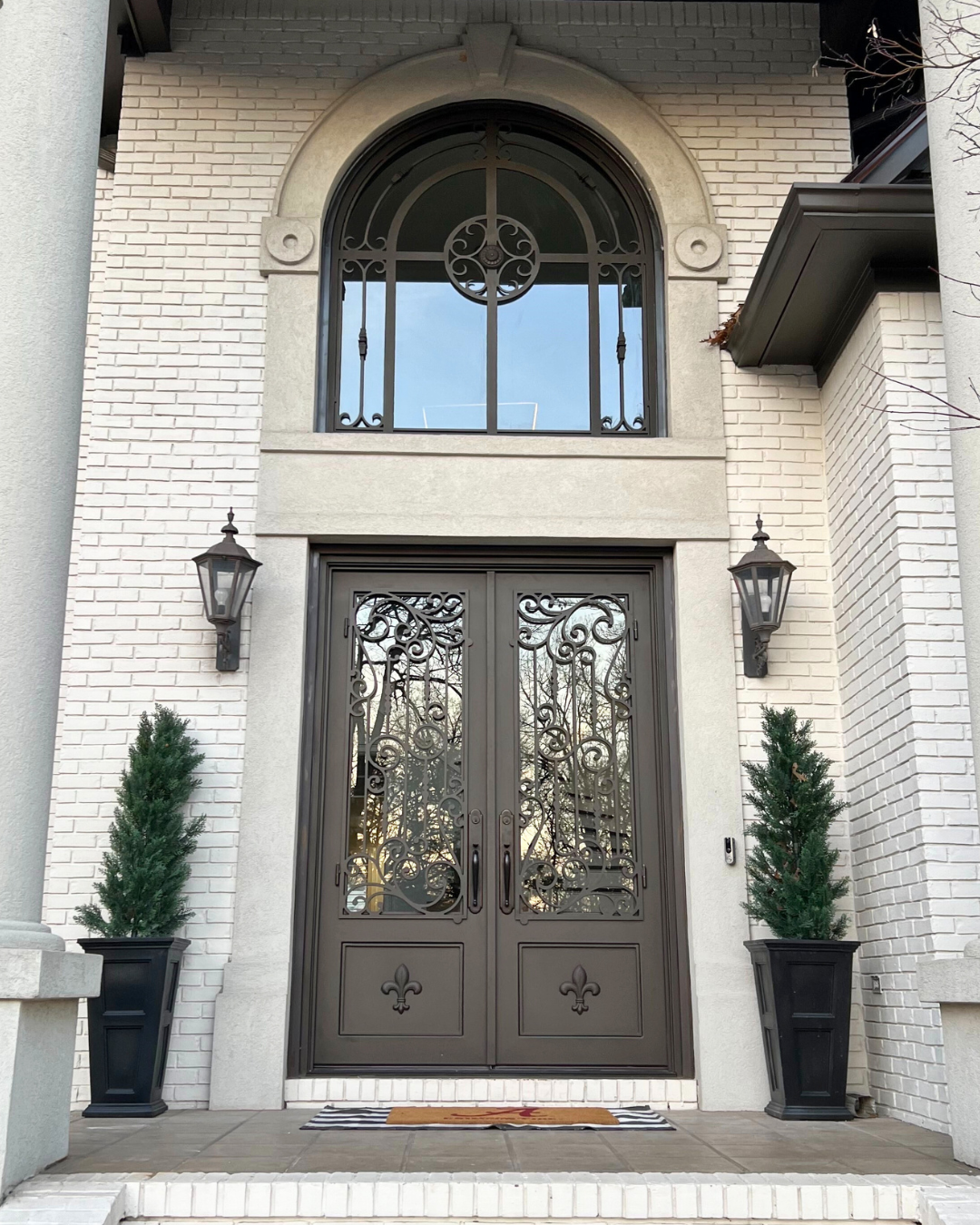
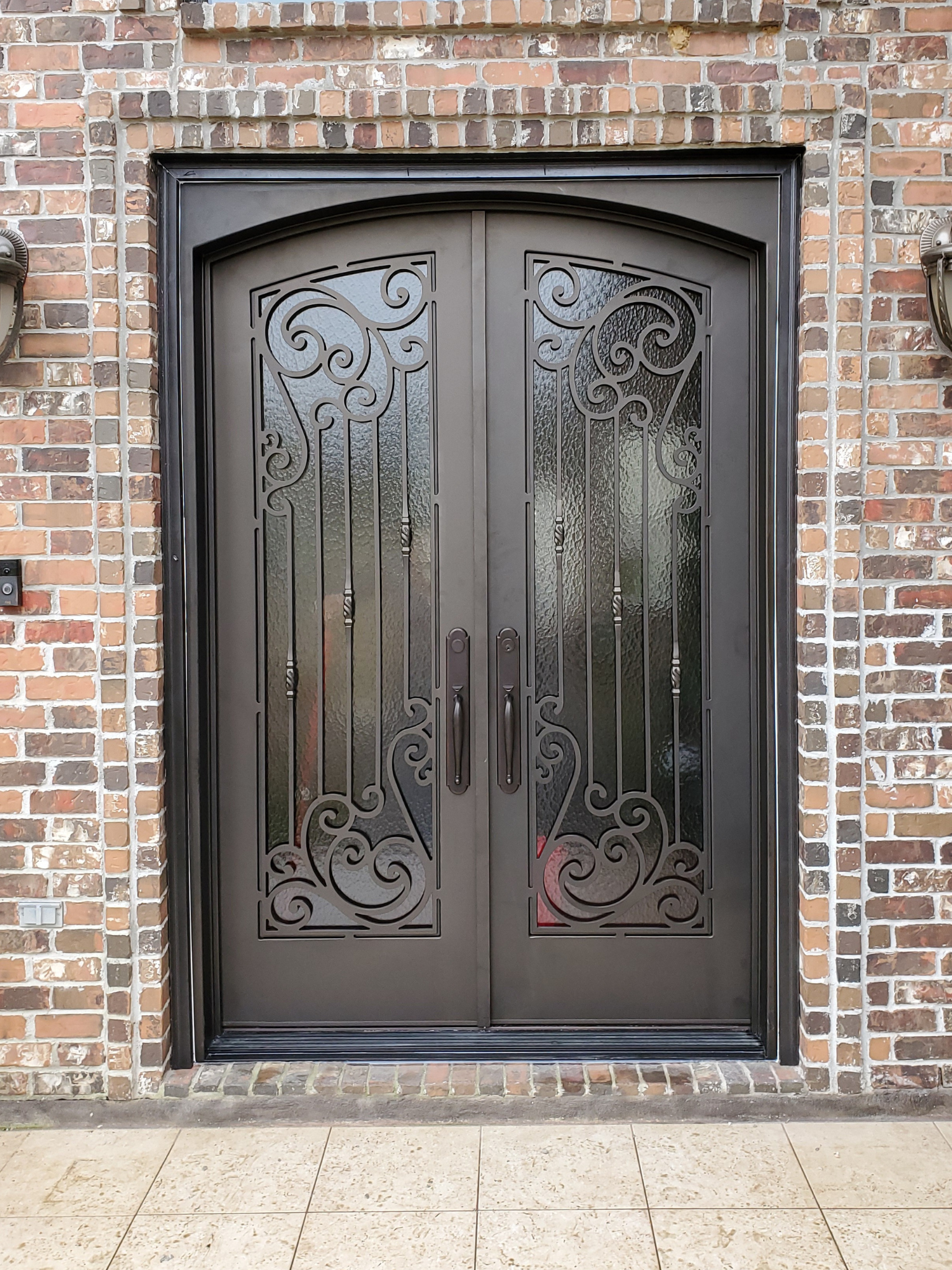
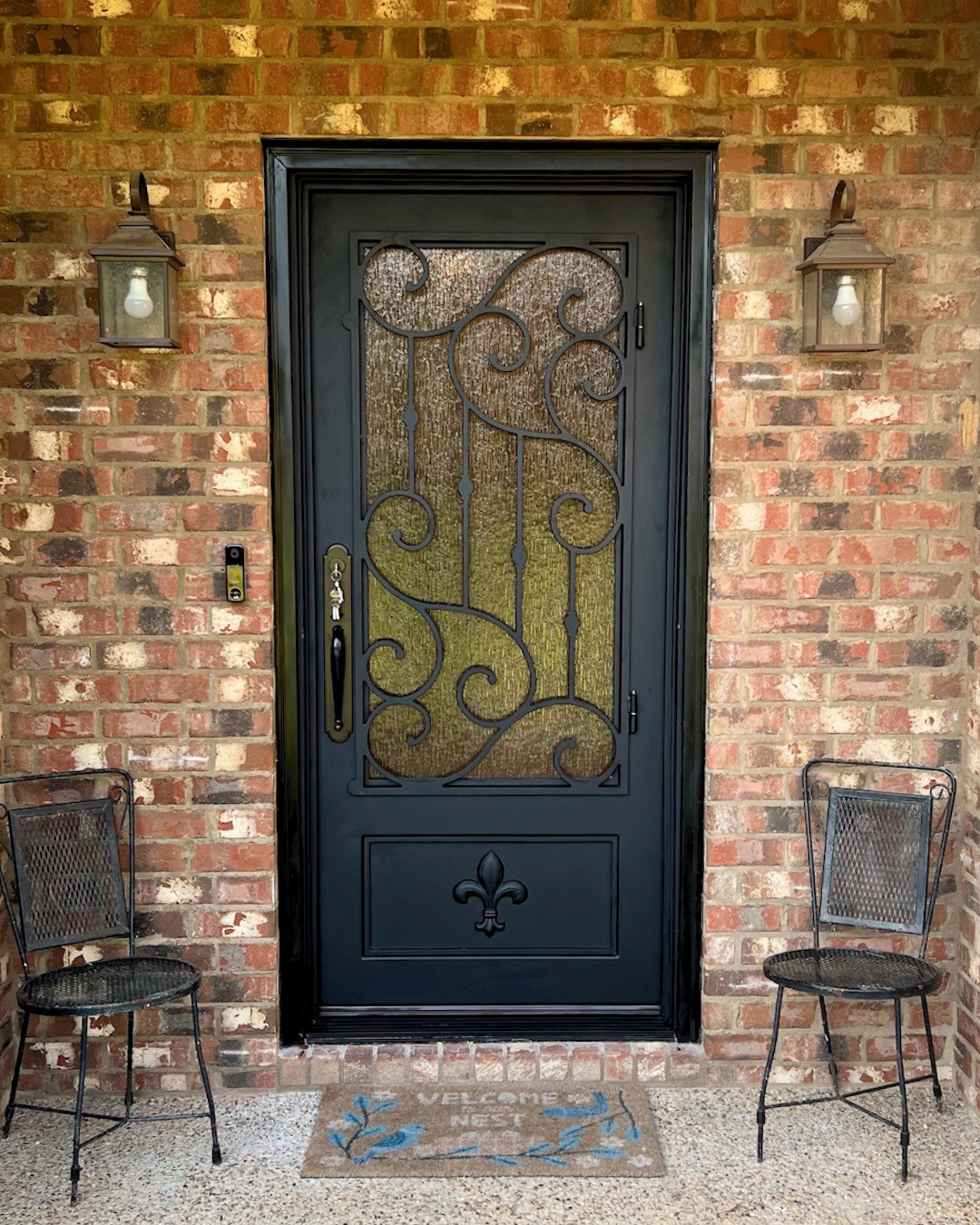
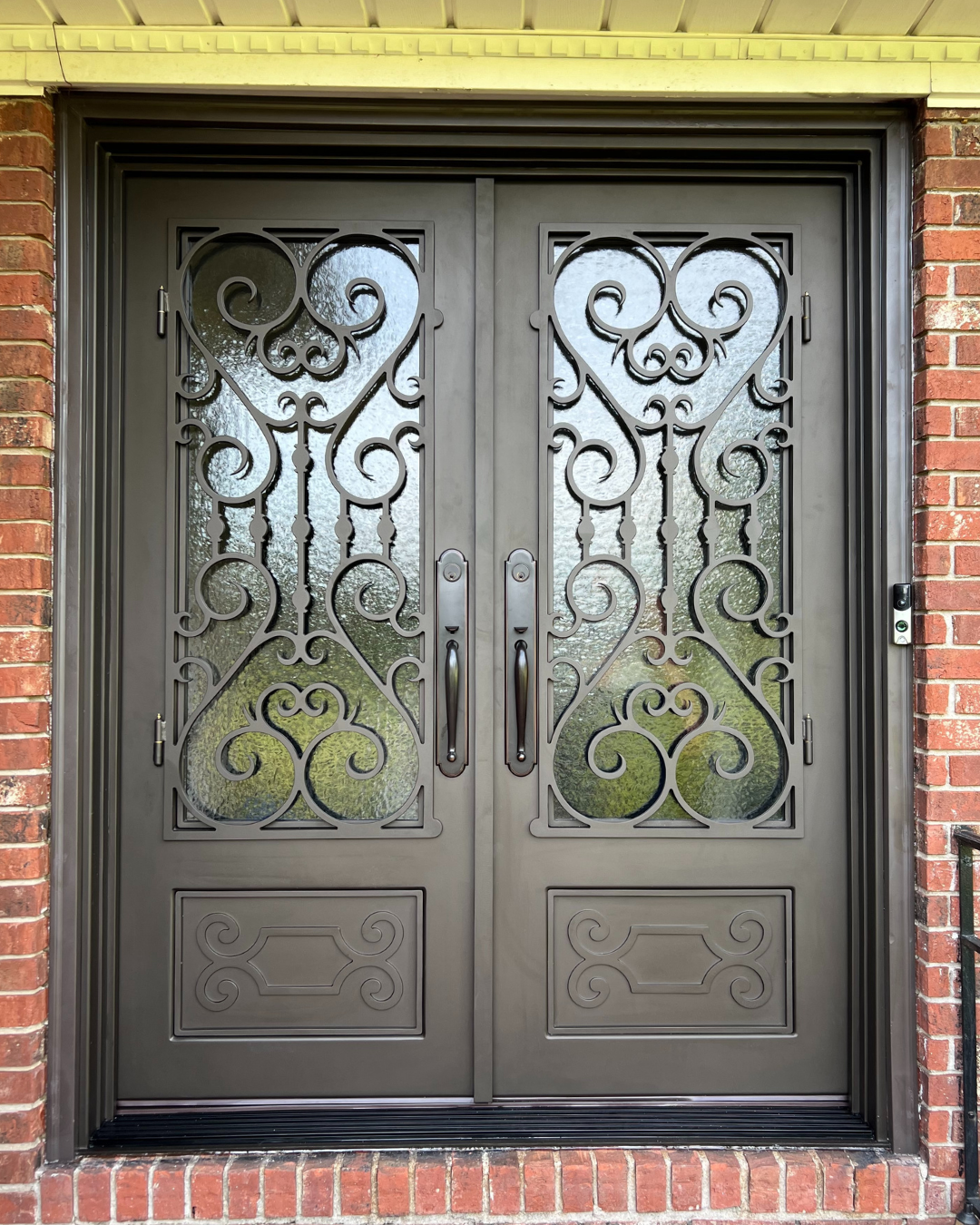
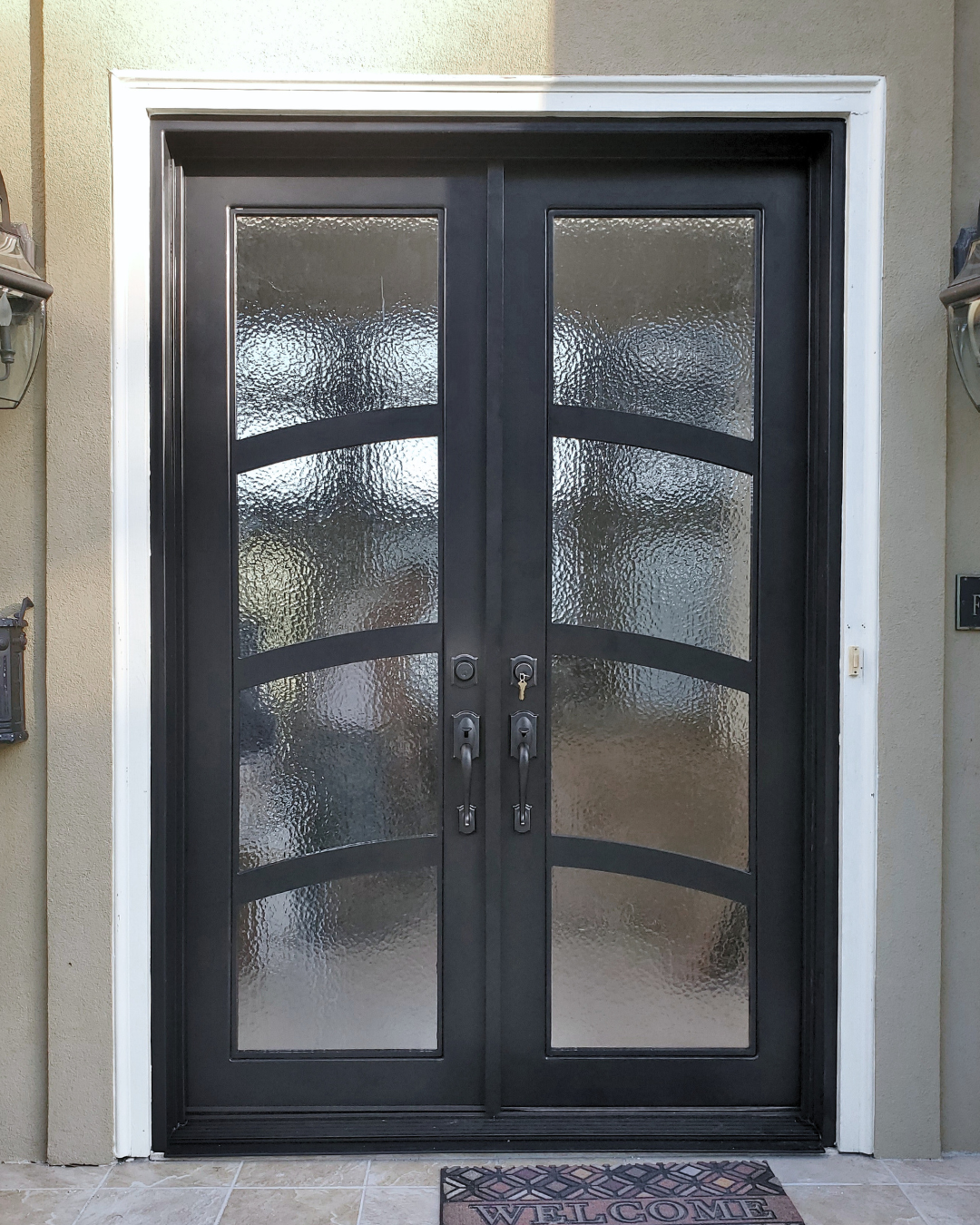
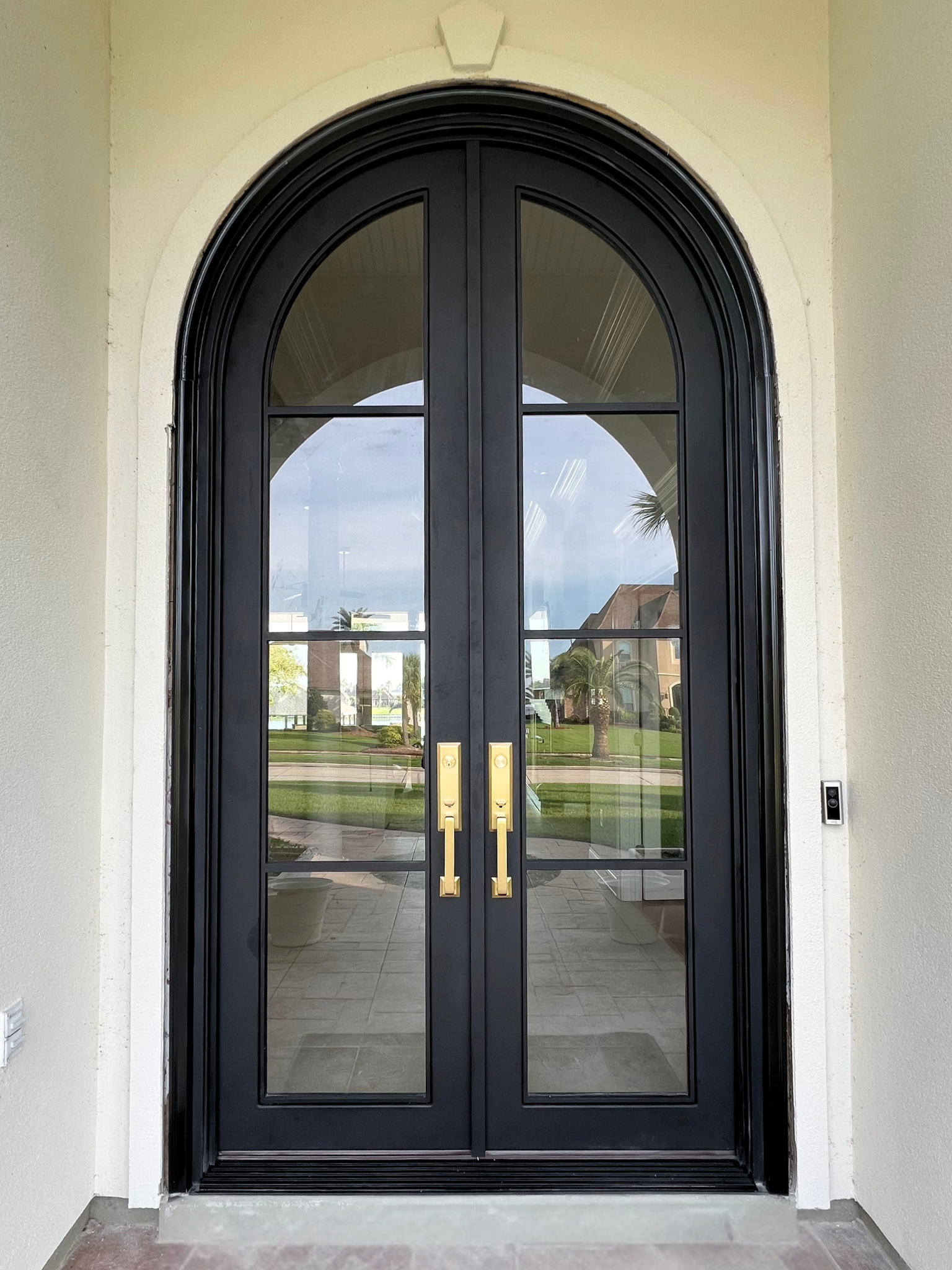
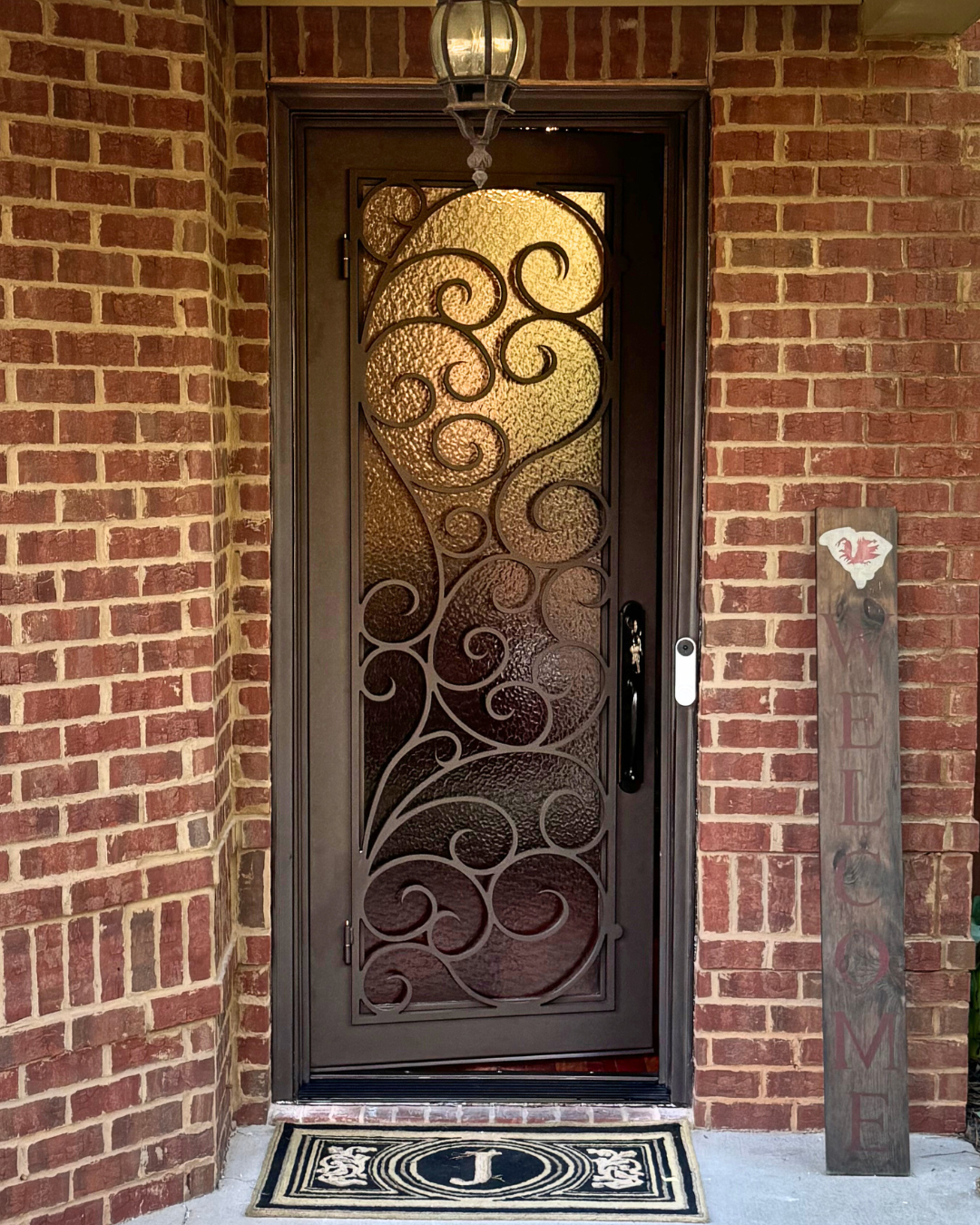
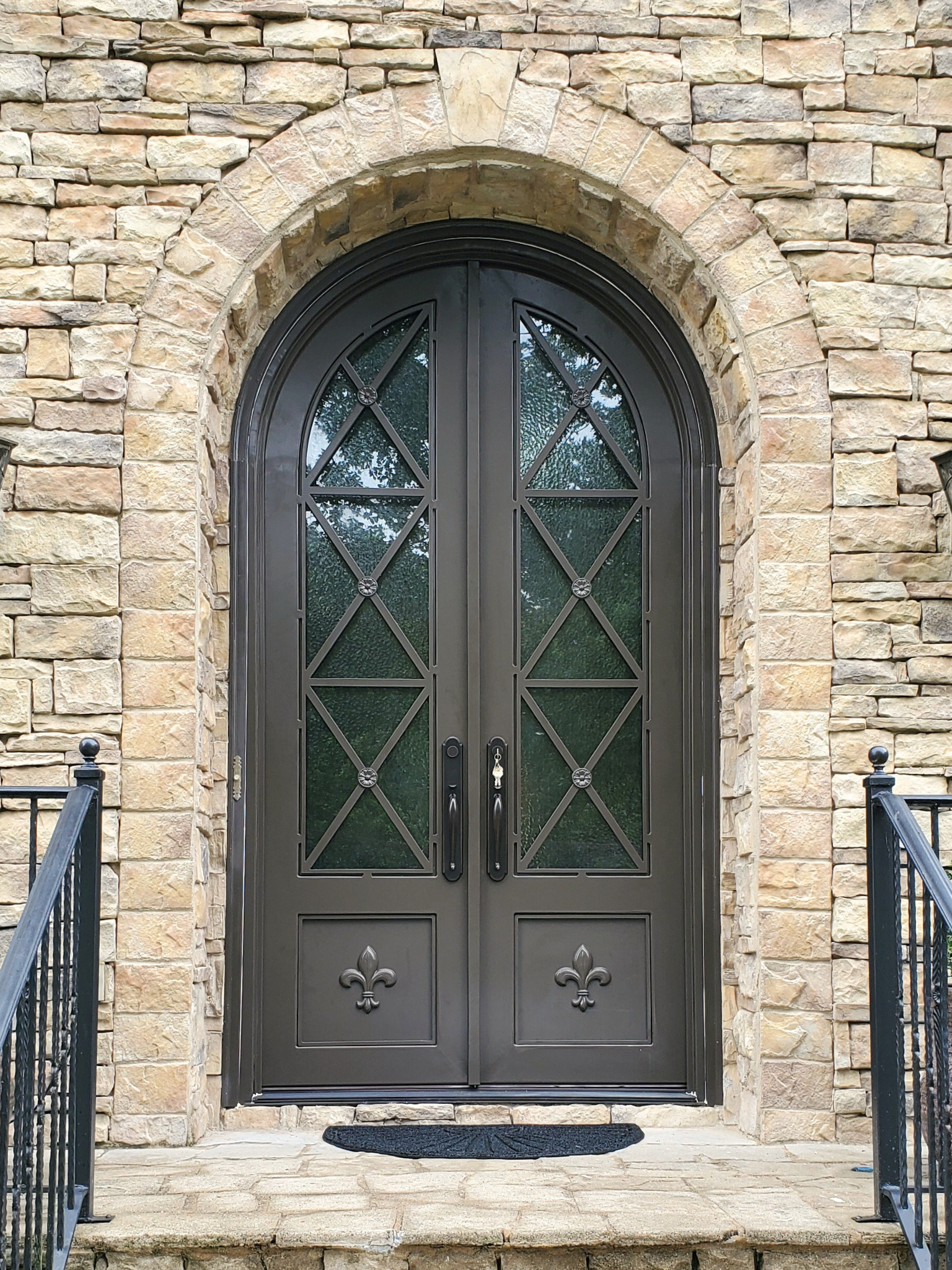
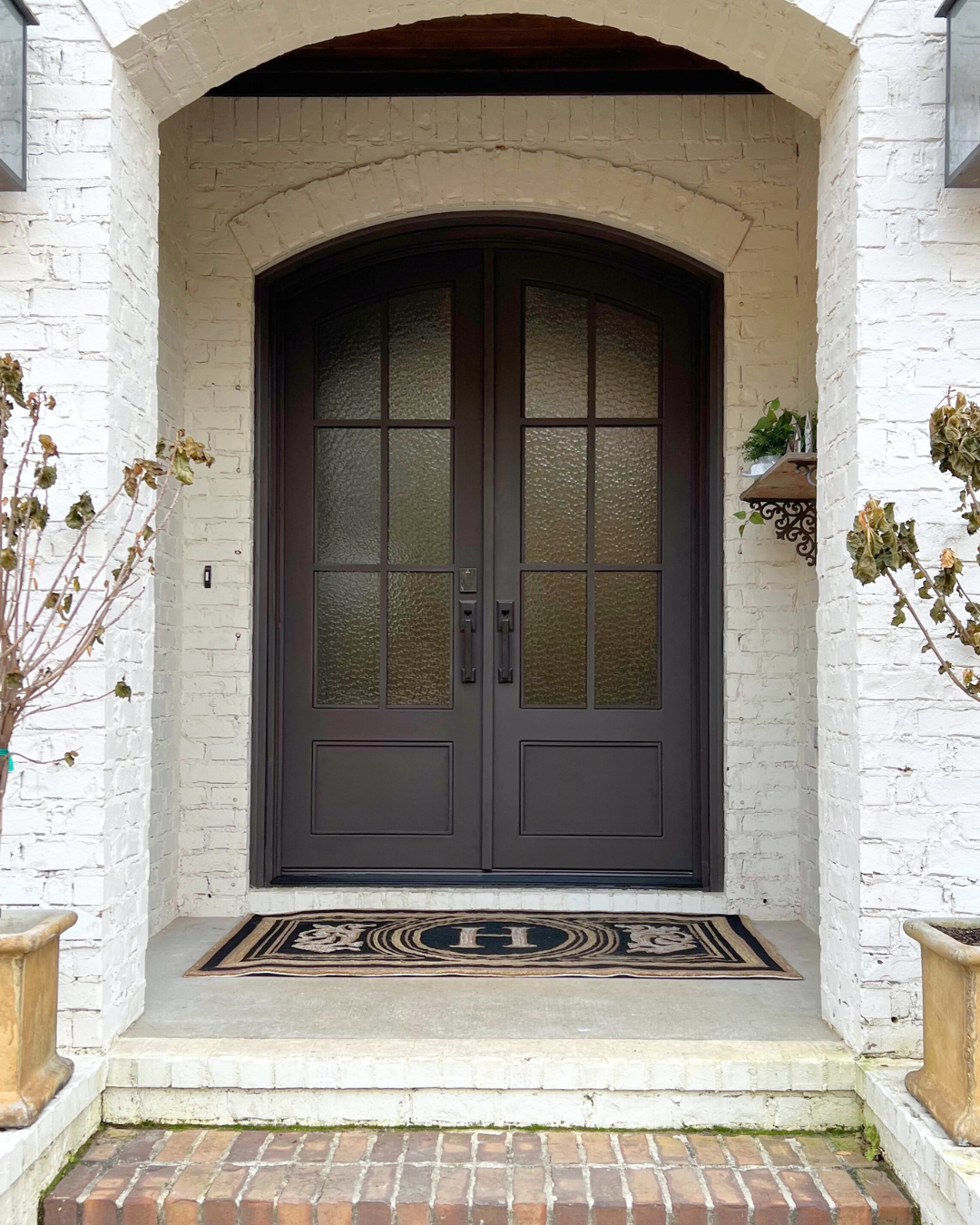
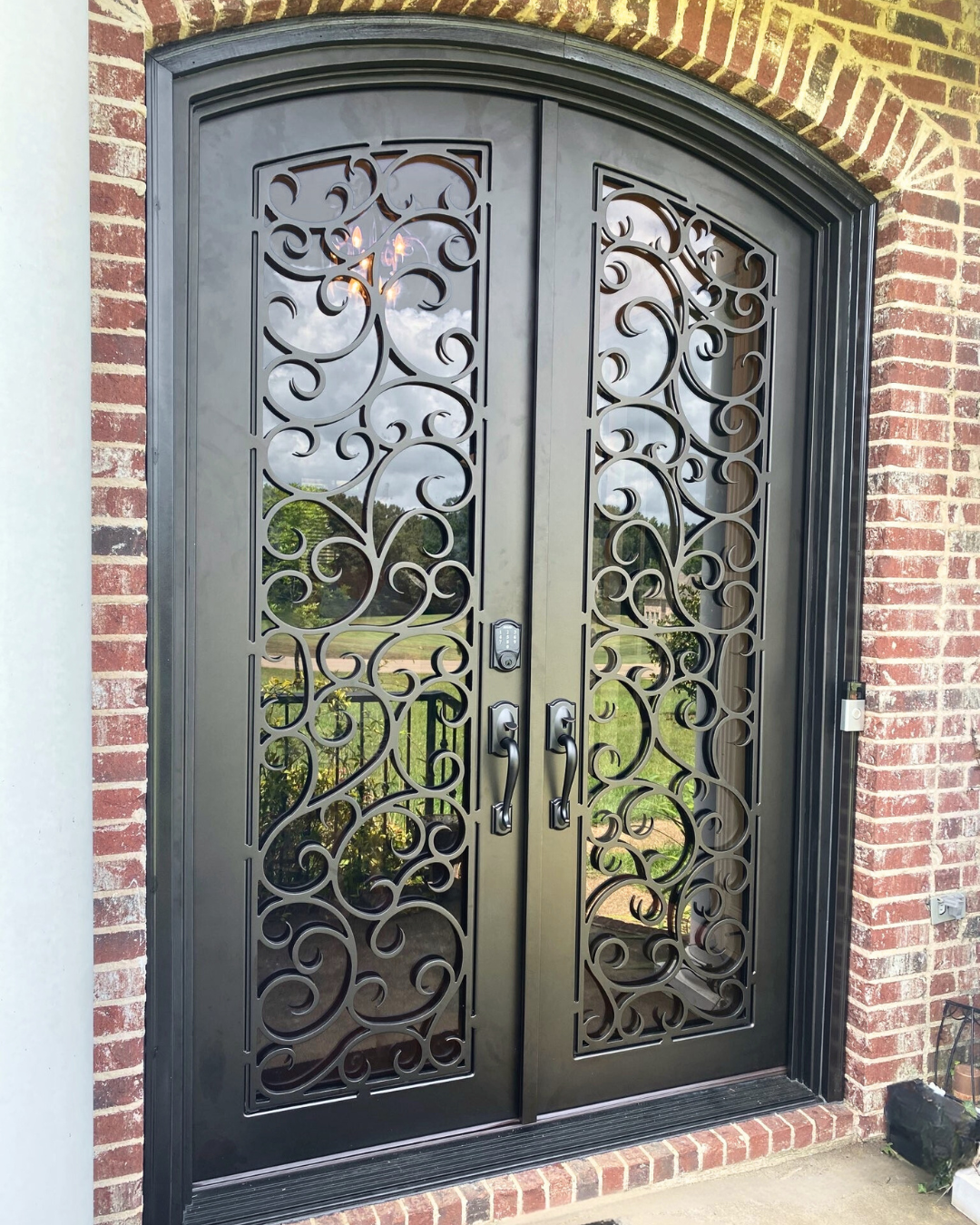
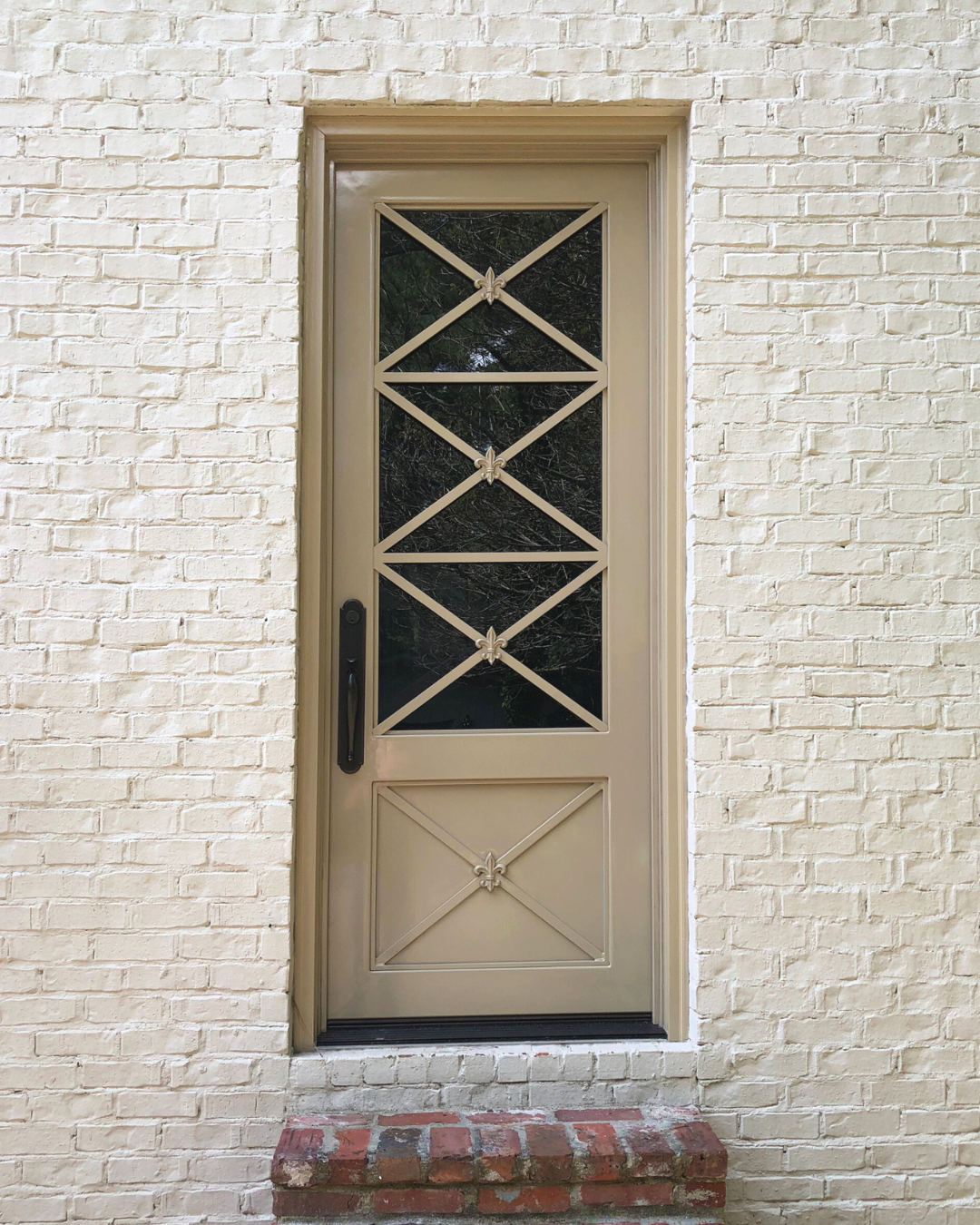
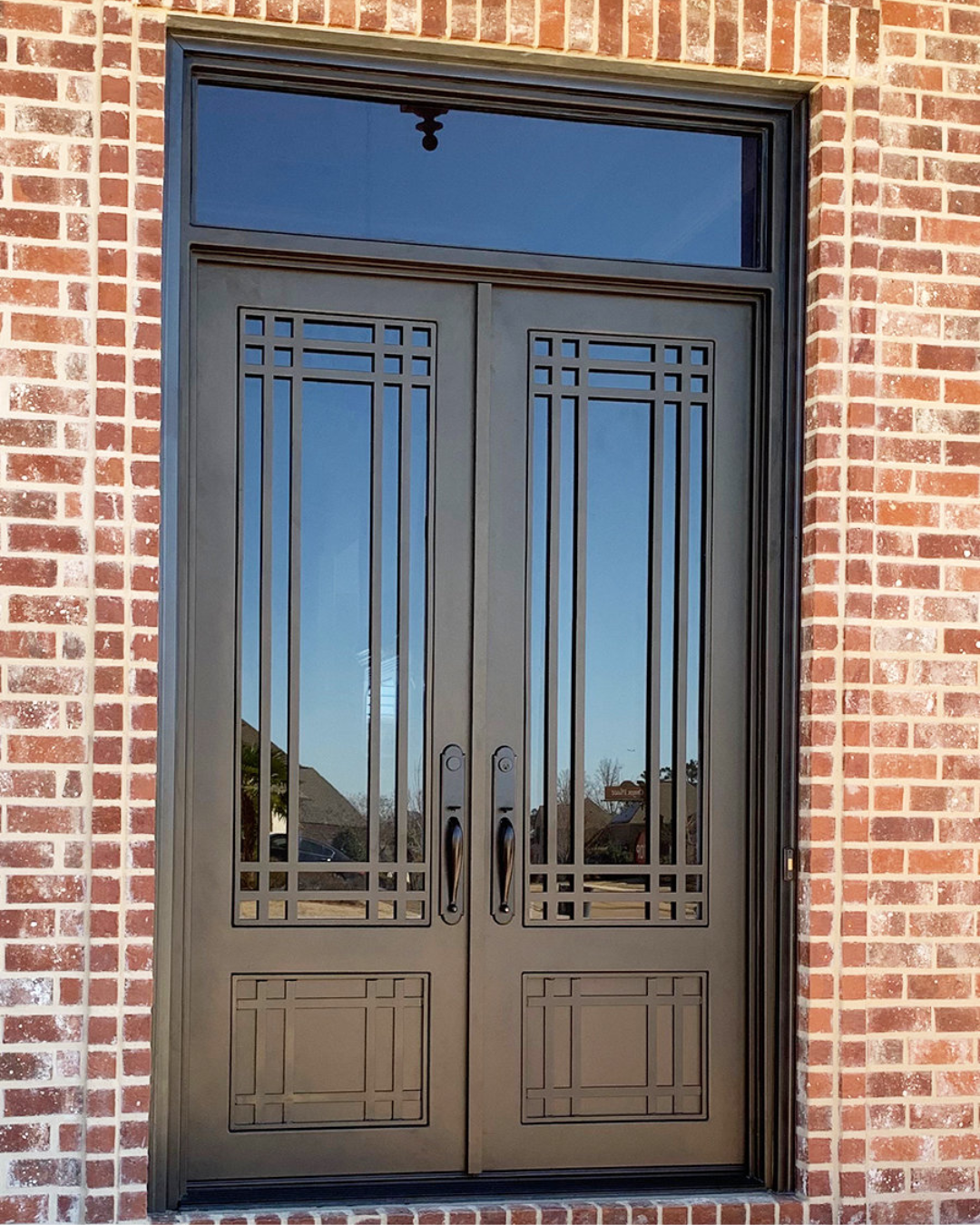
Iron Works USA offers many custom features to make your new iron door a one of a kind piece. We offer a large selection of iron door designs, multiple glass styles, and a wide variety of color options. Our wrought iron doors are one-of-a-kind, hand forged iron entry doors that will set the tone for your entire home. Therefore, we manufacture all of our iron doors in-house and have over 70+ design styles to choose from.
If you are looking for something completely unique, we can custom design any wrought iron door through our CAD design software. Rest assure that the quality and craftsmanship of our iron entry doors will last a lifetime. Whether you are looking for a residential or commercial iron door, check out our gallery to find the right style you are looking for to increase the curb appeal and the overall security of your home or business.
Give us a call or fill out the form below to receive a FREE quote today!
We measure, deliver and install within our service areas. If you are outside of our service areas, we will ship your iron door directly to your home or business.
- Iron Entry Doors
- Iron Doors with Glass
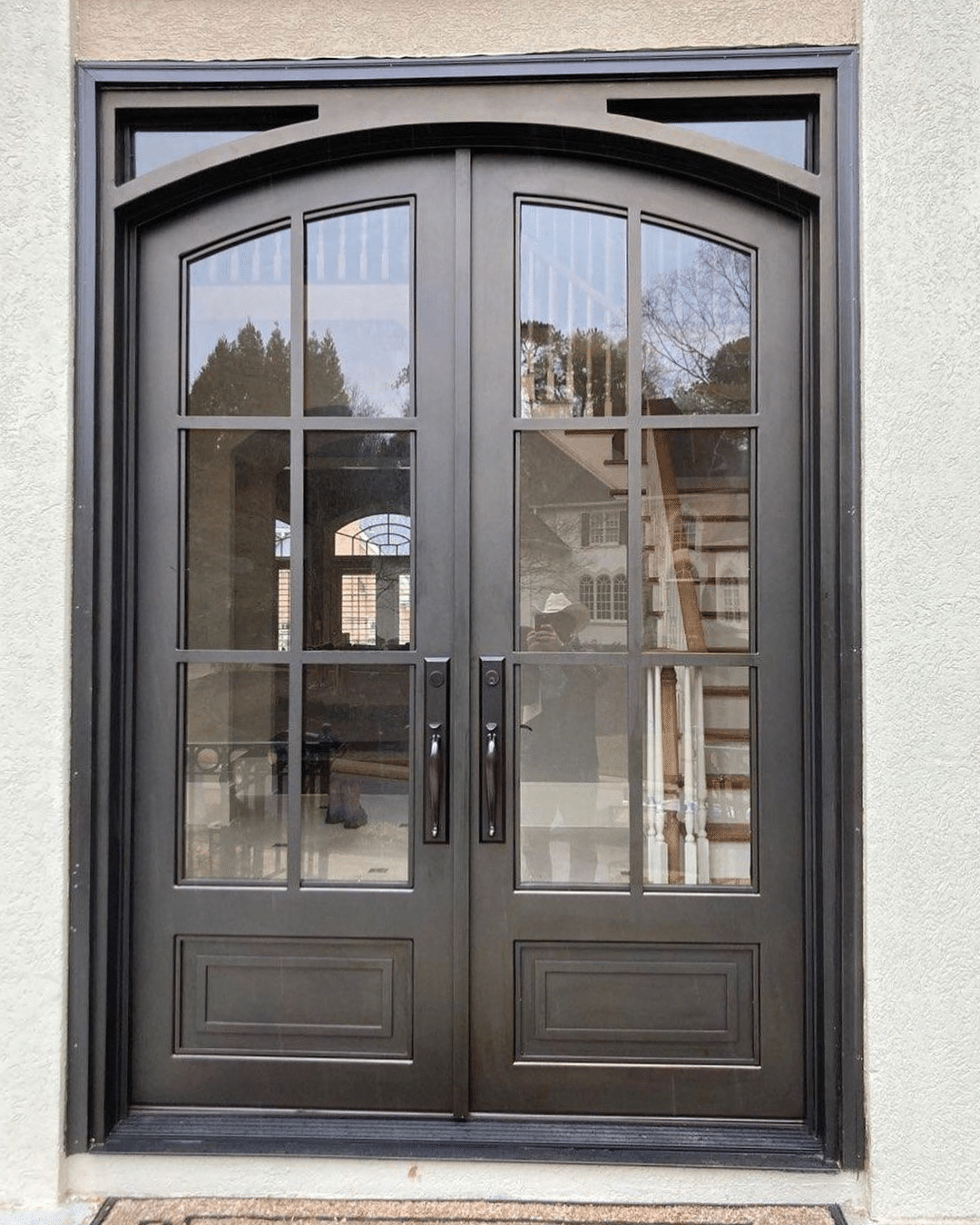
- Double Iron Doors
- Single Iron Doors
- Decorative Iron Doors
- Ornamental Iron Doors
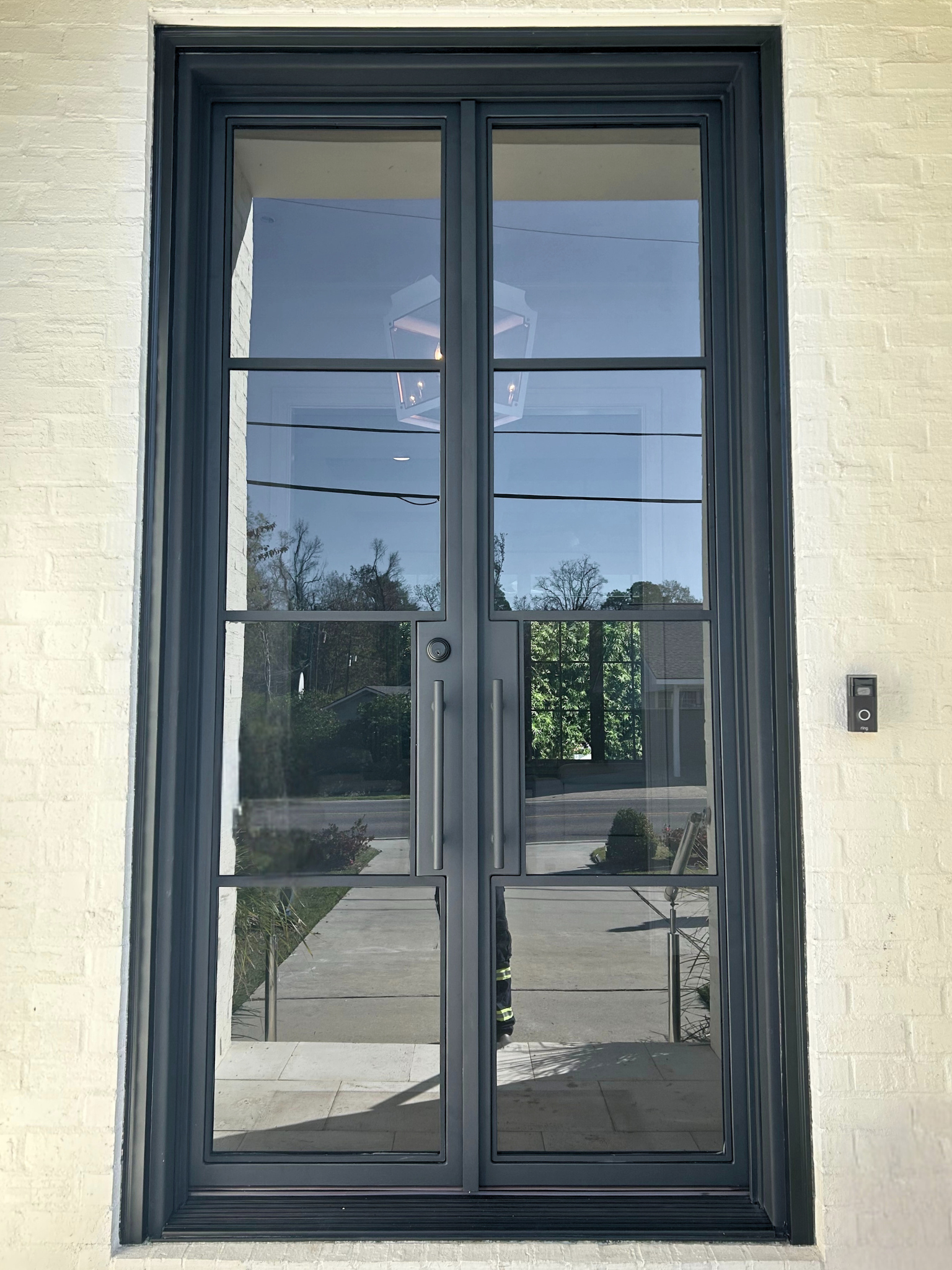
- Modern Iron Doors
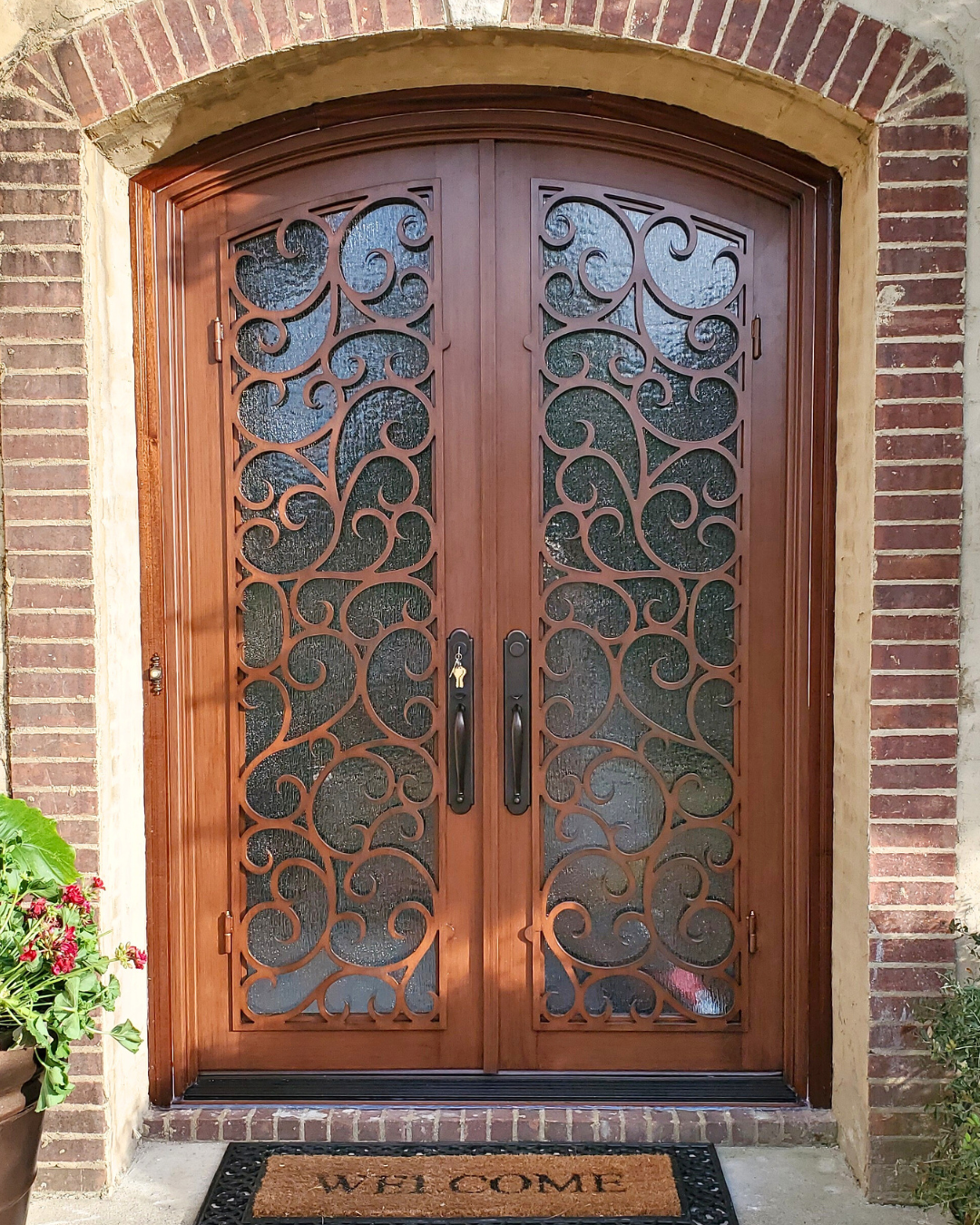
- Ornate Iron Doors
- Custom Iron Doors
- Iron Security Doors
- Iron Glass Doors
- Iron French Doors
- Wrought Iron Front Doors
What exactly is wrought iron?
Wraught iron is a metal alloy with very low carbon content, typically less than 0.08%. The word "wrought" literally means worked or shaped, which is exactly how this material is formed. Craftspeople heat the iron and shape it by hand using hammers and specialized tools. This meticulous forging process results in a material that is highly malleable, incredibly strong, and distinctly hand-crafted in appearance. Because it offers superior structural integrity and lasting beauty, it has been the preferred material for entry doors, fences, and railings for centuries.Is wrought iron the same as cast iron or regular steel?
No, and the differences matter a great deal. Wrought iron has far less carbon than cast iron (which contains 2 to 4 percent carbon), making it more ductile and resistant to fatigue. Cast iron is poured into molds and tends to be brittle under stress, while wrought iron bends rather than breaks. Regular steel is an alloy made from iron and carbon and is generally stronger in a structural sense, but wrought iron offers superior corrosion resistance, and that unmistakable hand-crafted appearance that steel simply cannot replicate.What does hand-forged mean when it comes to iron doors?
Hand-forged means the iron was shaped by skilled artisans using heat and physical tools rather than mass-production casting processes. At Iron Works USA, every door is hand-forged, ensuring that the craftsmanship is intentional and unique to each piece. This process not only results in a more visually distinctive door but also makes the metal stronger at its core. No two hand-forged doors are exactly alike, giving your home an entry point that is genuinely one of a kind.Is there a difference between rod iron and wrought iron doors?
The term "rod iron" is a common misspelling of "wrought iron" in online communities. Rod iron does not represent any formal product category, especially in door manufacturing. When someone refers to rod iron doors, they are almost always describing wrought iron doors. So, if you come across that term while shopping, you can treat it the same as wrought iron.Why have wrought iron doors been popular for so long?
Wraught iron has been used in architecture for hundreds of years because it combines beauty with brute durability. It does not warp like wood, it does not dent like hollow-core steel, and it does not crack or fade like fiberglass. The intricate scroll work and ornamental details that can be achieved through hand-forging are simply not possible with other materials. As architectural trends come and go, wrought iron continues to signal elegance, permanence, and craftsmanship.What types of wrought iron doors does Iron Works USA offer?
Iron Works USA carries a wide and diverse product lineup designed to fit nearly every home style and opening configuration. Here is a breakdown of the main door types available:- Single Iron Doors: Perfect for standard front door openings, offering a clean and bold statement.
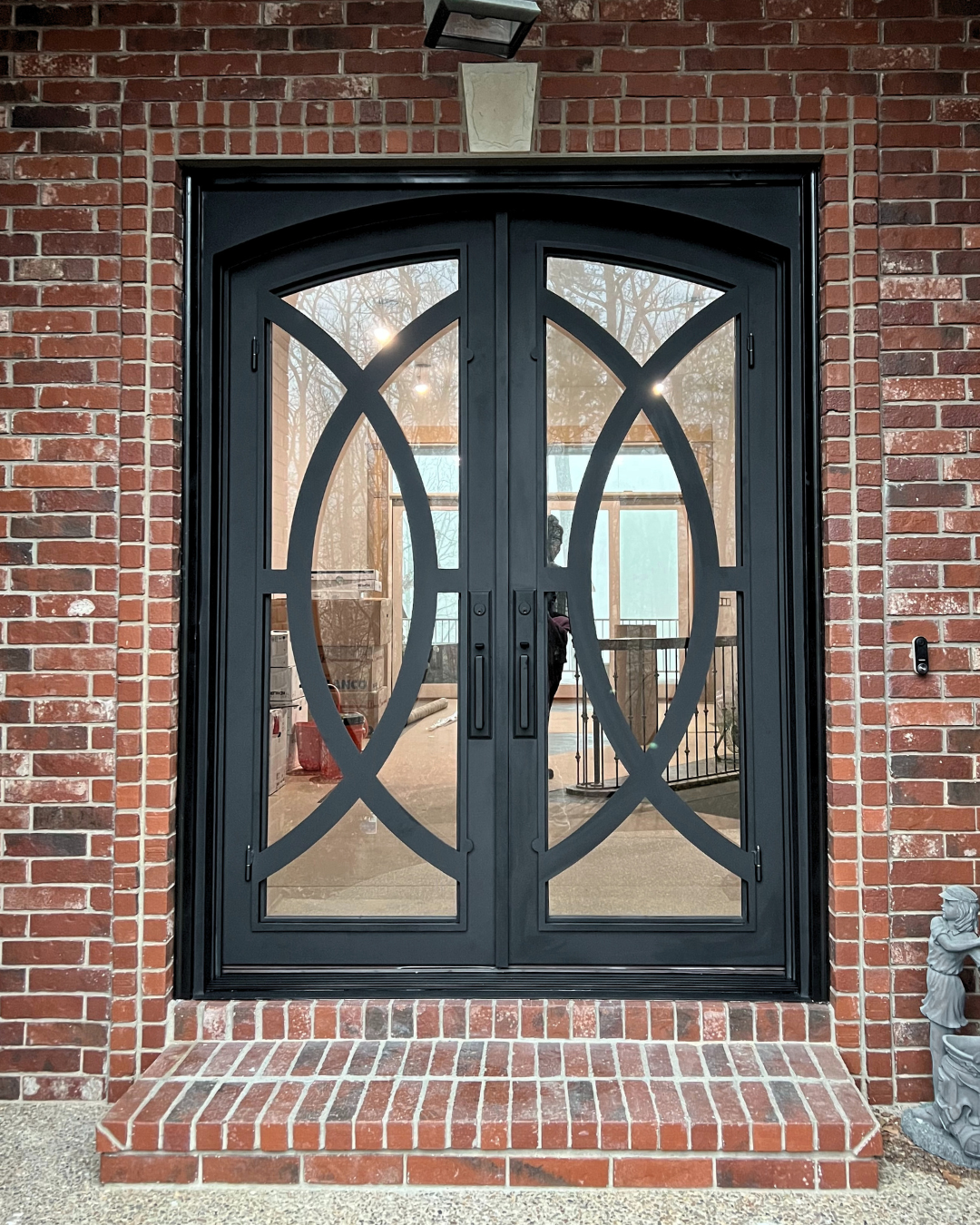
- Double Iron Doors: Two doors that meet in the middle, ideal for grand entrances and wider openings.
- Iron Doors with Glass: Feature glass panels or inserts that allow natural light into your entryway.
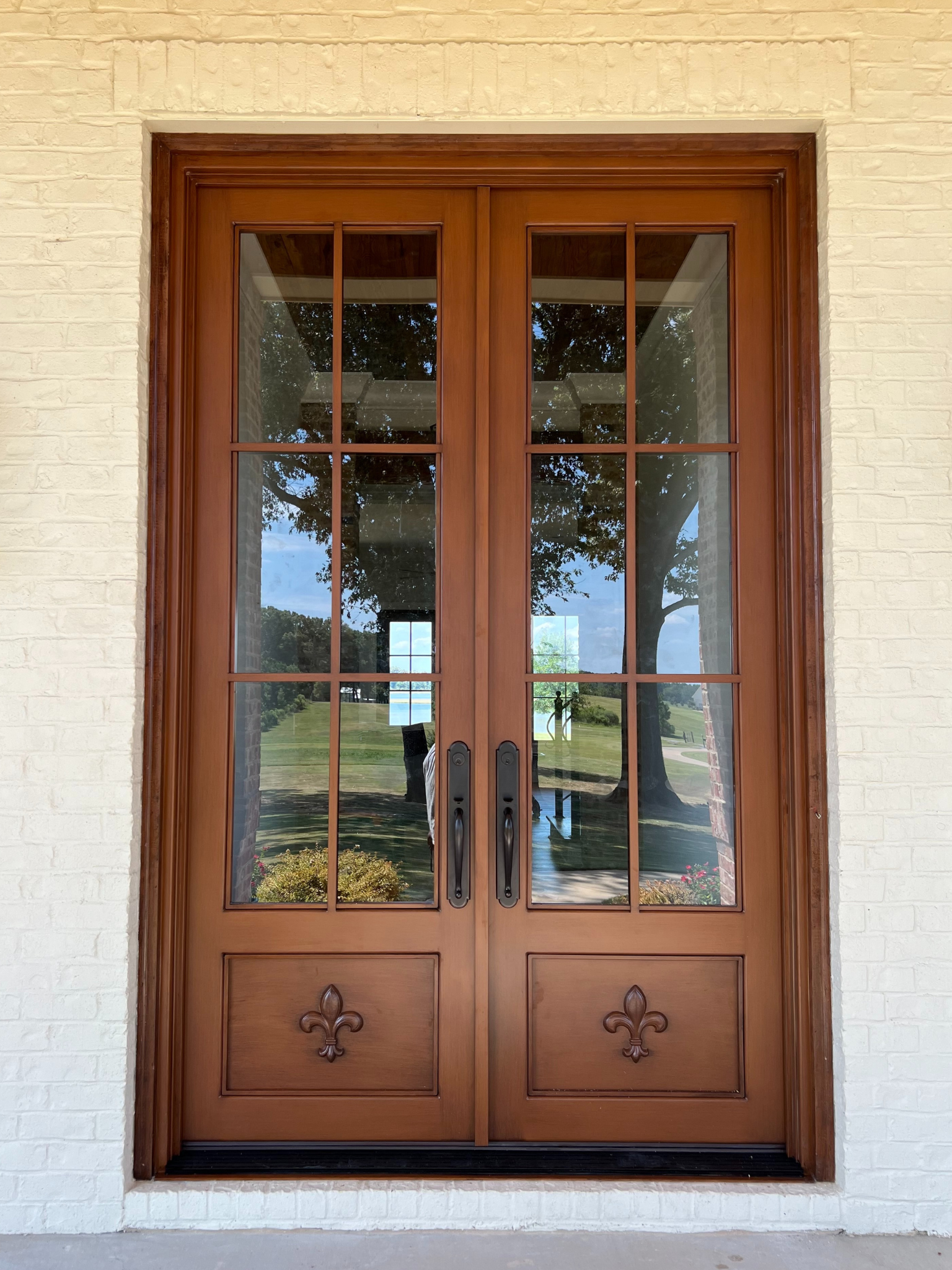
- Iron French Doors: A more traditional and elegant style with larger glass panels in a classic frame.
- Iron Security Doors: Engineered with reinforced construction specifically for maximum protection.
- Modern Iron Doors: Clean lines and minimal ornamentation for contemporary homes.
- Ornate Iron Doors: Heavily detailed with scrollwork, floral patterns, and decorative elements.
- Decorative Iron Doors: A balance of artistic design with functional entry door requirements.
- Custom Iron Doors: Fully bespoke doors designed to your exact specifications using CAD software.
Can I get a wrought iron door with glass panels?
Yes, you can. Glass is one of the most popular additions to wrought iron doors because the combination of the dark, ornamental iron frame with glass panels creates a stunning visual contrast while also allowing light to filter into your entryway. Iron Works USA offers multiple glass style options including clear, frosted, rain, and decorative textured glass. Each glass style affects both the aesthetics and the level of privacy the door provides.What glass options are available for iron doors?
Iron Works USA provides several glass options to complement your wrought iron door:- Clear glass maximizes natural light and visibility.
- Frosted or obscure glass lets in light while maintaining privacy.
- Rain glass offers a watery, textured look that softens the view from outside.
- Decorative or patterned glass adds another artistic layer to the door.
Do you offer both residential and commercial iron doors?
Iron Works USA serves both homeowners and business owners with the same level of craftsmanship and customization that our clients have come to expect. Most of our residential clients typically choose wrought iron doors for front entries, back patio doors, or French door configurations. Meanwhile, our commercial clients select iron doors for storefronts, offices, hotels, restaurants, and other properties where a strong first impression matters.What top shapes are available for wrought iron doors?
The shape of the door top dramatically affects the overall look of your entryway. Iron Works USA can manufacture doors in several top configurations including square top (the most common), eyebrow top (a subtle arch), full round top (a complete semicircle arch), and square top with an eyebrow. Arch-top doors, in particular, add a sense of grandeur and work beautifully with Mediterranean, Spanish Colonial, and Tuscan home styles.Can I fully customize my wrought iron door?
Yes, full customization is one of the biggest advantages of ordering through Iron Works USA. Using advanced CAD design software, our team can bring virtually any vision to life. You can specify the size, shape, glass type, glass pattern, color, finish, hardware style, and decorative details. Whether you want a minimal modern design or an elaborate baroque-inspired masterpiece, the skilled artisans at Iron Works USA can manufacture it to your exact requirements.What color options are available for wrought iron doors?
While classic matte black or oil-rubbed bronze are the most popular choices, Iron Works USA offers a wide variety of color options to complement your home exterior. Doors go through a powder coating process that bonds color to the metal at a molecular level, producing a finish that is far more durable than spray paint. This means your door will resist fading, chipping, and peeling for many years. You can discuss specific color preferences during the design consultation to find the right match for your home.Can I order a non-standard door size?
Unlike big-box retailers, our manufacturing capabilities allow us to seamlessly accommodate non-standard openings. Whether your entryway is unusually wide, tall, arched, or angled, the team can fabricate a door that fits perfectly. Standard door sizes are also available if your opening matches common dimensions, which can sometimes reduce lead time.Can I add sidelights or a transom window to my iron door?
Incorporating vertical glass panels (sidelights) or an above-frame window (transom) is a brilliant way to expand the visual footprint of your entryway. Sidelights flood your foyer with natural light and make narrow doors appear significantly wider, while a transom adds striking architectural height. Both elements are fully customizable to seamlessly match your primary door.What hardware options are available for wrought iron doors?
Hardware plays a key functional and aesthetic role in how your door operates and looks. We offer an extensive selection of heavy-duty hinges, pull bars, handle sets, and multi-point lock systems. Available in high-end finishes like matte black, oil-rubbed bronze, satin nickel, and antique brass, our hardware ensures your entryway is as secure as it is stunning.How much do wrought iron doors cost?
As a general industry benchmark, standard wrought iron entry doors typically range from $1,500 to $5,000 for the door itself, excluding shipping and installation. Because every Iron Works USA door is tailored to your exact needs, the final investment will vary based on size, complexity, and materials. We provide free, no-obligation custom quotes so you have a precise figure for your specific project, rather than relying on guesswork.What factors affect the price of a wrought iron door?
Several variables drive the final cost of your door. Here is what typically influences pricing:| Pricing Factor | How It Impacts the Cost |
|---|---|
| Dimensions | Larger doors require more raw material and fabrication labor. |
| Door Configuration | Double doors naturally require twice the materials and labor as a single door. |
| Design Complexity | Intricate scrollwork and ornate, hand-forged detailing increase manufacturing time. |
| Glass Selection | Upgrading glass thickness, energy-efficient coatings, or unique textures adds to the cost. |
| Hardware | Selecting premium multi-point lock systems or highly decorative handle sets increases the total. |
| Logistics | Freight costs vary by distance, while installation labor depends on your specific remodel or build. |
Does Iron Works USA offer financing?
At Iron Works USA, we believe that premium craftsmanship should be accessible. We offer 0% APR financing for up to 60 months for qualified buyers. This allows you to invest in the exact entryway you want without compromising on quality, security, or design, while keeping your upfront capital intact.Is a wrought iron door worth the investment?
Without question. When comparing long-term value, wrought iron dominates nearly every metric. Unlike wood, iron will never warp, rot, or splinter. Unlike basic fiberglass or hollow steel, it won't dent easily or look mass-produced. A wrought iron door is a multi-decade investment that instantly elevates curb appeal, boosts perceived property value, and provides unmatched home security.How does the cost of a wrought iron door compare to wood or fiberglass?
A comparable high-end wood entry door can easily cost $2,000 to $6,000 or more, yet it requires frequent repainting, sealing, and potential replacement due to warping and rot. On the other hand, fiberglass doors are generally cheaper upfront but look and feel like a manufactured product rather than a handcrafted one. Wraught iron sits at a similar price point to premium wood but dramatically outperforms it in durability and longevity. When factoring in long-term maintenance costs, wrought iron often proves to be the most economical choice over the life of the door.Does Iron Works USA install wrought iron doors?
If you are located within our immediate service area, we offer a comprehensive, white-glove installation experience. Our in-house team manages the entire lifecycle of your project, from the initial precision measurements to the final framing and hardware checks. We ensure your custom entryway fits flawlessly and swings perfectly from day one. For clients outside our local footprint, we safely crate and ship our doors nationwide.Do I need a professional to install a wrought iron door?
Professional installation is strongly recommended. Wrought iron doors are significantly heavier than standard doors, with many double doors weighing several hundred pounds. Improper installation can result in the door not sealing correctly, hardware misalignment, damage to the frame, or even injury. A professional installer will also ensure the door is properly weatherstripped, level, and secure. Attempting a DIY installation without proper equipment and experience is not advisable.How long does installation take?
For a straightforward installation where the existing frame is in good condition, most wrought iron door installations can be completed in a single day. Remodel projects that require removal of an old door, adjustments to the frame, or modifications to fit a non-standard opening may take longer. Your Iron Works USA representative can give you a more specific timeline during the consultation phase once they have assessed your specific opening and conditions.What is involved in the installation process?
When providing in-area installation services, our team handles the process from start to finish. This typically involves six steps:- Taking precise measurements of the door opening.
- Manufacturing or selecting the door to those exact specifications.
- Removing the existing door and hardware (for remodel projects).
- Inspecting and adjusting the frame as needed.
- Setting, leveling, and securely anchoring the new iron door.
- Applying weatherstripping, installing hardware, and testing the operation.
What is the difference between a new construction installation and a remodel installation?
New construction installation occurs when there is no existing door or frame. This is generally simpler and costs less in labor because there is no removal work involved. On the other hand, remodel installation involves replacing an existing door, which requires removing the old door, evaluating the existing frame for structural integrity, making any necessary modifications, and then fitting the new door. Because of these extra steps, remodel installations tend to cost more in labor and can take longer.Can I ship my iron door and hire a local installer?
Yes. For customers outside the Iron Works USA service area, we ship doors nationwide. You can then hire a local contractor or door installation professional to handle the installation. Iron Works USA can provide guidance on what to look for in a qualified installer and what specifications to share with them to ensure a smooth and proper installation.Do wrought iron doors require a lot of maintenance?
Wraught iron doors require far less maintenance than wood doors but are not completely maintenance-free. The main concern is protecting the finish and preventing rust, particularly in humid or coastal environments. Because our doors feature a powder-coated finish, they naturally resist moisture and corrosion. Periodic cleaning and occasional touch-ups to the finish are all that is needed to keep your door looking its best for the long haul.How do I clean a wrought iron door?
Cleaning your door is simple. Aim to clean it every one to three months (or more frequently in coastal areas):- Wipe down the surface from top to bottom using a soft cloth dampened with warm water and mild soap.
- Dry the door thoroughly with a clean, lint-free cloth to prevent moisture from sitting on the surface.
- Use standard glass cleaner for any glass panels.
Will a wrought iron door rust?
Wraught iron is highly corrosion-resistant but is not entirely immune to rust under extreme conditions. However, the premium powder-coat finish applied to modern wrought iron doors dramatically reduces that risk by creating a protective barrier that protects the metal from exposure to moisture and air. As long as that finish remains intact and you clean the door regularly, rust should not be a significant concern. If you notice any chips or scratches in the finish, touch them up promptly with a compatible paint or powder coat repair product to prevent moisture from reaching the bare metal.What should I do if my wrought iron door starts to show rust?
Surface rust can be easily addressed without replacing the door:- Start by using a fine steel wool pad or wire brush to gently remove loose rust flakes. You can also dip the steel wool in kerosene for stubborn rust stains.
- Once the rust is removed, clean the area with a mild soap solution and dry thoroughly.
- Apply a rust-inhibiting primer followed by a touch-up paint or powder coat spray that matches your door color.
How often should I lubricate the hinges and hardware?
Hinges, locks, and handles should be lubricated at least once or twice a year, or whenever you notice any stiffness or resistance in operation. Use a silicone-based lubricant or a light machine oil on hinges and lock mechanisms. Avoid using WD-40 as a long-term lubricant because while it displaces moisture, it does not provide lasting lubrication and can actually attract dirt over time.Can the finish or color of my wrought iron door be changed later?
Yes, the finish can be refreshed or changed, though it does require more effort than repainting a wood door. The door needs to be thoroughly cleaned, sanded, and prepared before new paint or powder coat is applied. Powder coating provides the most durable and professional result and is best done in a shop environment. If the door has glass panels, the process becomes more intricate since the glass needs to be protected or removed during the refinishing process. Many homeowners choose to refresh the finish every five to ten years as part of routine upkeep.Are wrought iron doors more secure than standard doors?
A wrought iron door is one of the most secure entry door options available. The material itself is extremely difficult to cut, break, or force open. Unlike hollow-core steel doors or wood doors that can splinter around the lock when kicked, a properly installed wrought iron door will not buckle or deform under pressure. The frame is typically reinforced as well, meaning that the traditional technique of kicking in a door near the lock simply does not work against iron.What lock systems work best with wrought iron doors?
Iron Works USA installs high-quality lock systems designed specifically for the weight and construction of iron doors:- Single-point deadbolts provide good baseline security, but multi-point locking systems are available for maximum protection.
- Multi-point locks engage at multiple points along the door frame simultaneously, making forced entry exponentially more difficult.
Can I add a security screen or fly screen to my iron door?
Stainless steel window fly screens and security screens can be easily integrated into your custom door design. This is particularly valuable for doors with glass panels, adding an extra layer of protection while allowing safe ventilation on mild days.Are iron doors resistant to break-ins and forced entry?
Wraught iron doors are among the most burglar-resistant entry doors on the market. The density and strength of the material make it nearly impossible to kick through or break open with typical forced entry methods. The structural integrity extends to the glass panels as well, which are set within the iron frame in a way that makes them difficult to dislodge without significant effort. Combining a wrought iron door with a quality multi-point lock system creates a formidable barrier that deters even determined intruders.Are wrought iron doors energy efficient?
Iron is a conductor of heat, which means without the right features, a solid iron door could transfer heat or cold between the interior and exterior of your home. However, our modern wrought iron doors address this through thermal break technology, high-quality weatherstripping, and energy-efficient glass options. With a thermal break and Low-E glass, wrought iron doors can achieve energy efficiency comparable to other premium door materials.What is a thermal break and do I need one?
A thermal break is an insulating barrier inserted into the door frame that prevents the transfer of heat or cold from the outside of the door to the inside. Without a thermal break, the iron frame can act as a conductor, making your home warmer in summer and colder in winter. If you live in a climate with significant temperature extremes, a thermal break is highly recommended. Homes in mild climates may not need one, but it is still a worthwhile upgrade for long-term energy savings. Discuss this option with your Iron Works USA representative based on your local climate.What kind of weatherstripping comes with iron doors?
Our wrought iron doors come equipped with premium compression weatherstripping installed around the perimeter of the frame. This creates an airtight seal when the door is closed, preventing drafts, moisture infiltration, and energy loss. Because weatherstripping can compress over time, we recommend inspecting it annually and replacing it if you notice drafts. Replacement weatherstripping is readily available and inexpensive to install.Will an iron door help reduce my energy bills?
A well-sealed iron door with thermal break technology and Low-E glass can contribute to reduced energy costs by minimizing heat transfer between your home and the outside environment. The primary savings come from reduced reliance on heating and cooling systems to compensate for drafts and thermal transfer. While the door alone will not revolutionize your energy bill, it plays a meaningful role as part of an overall well-insulated and well-sealed home envelope.How does a wrought iron door compare to a wood door?
While wood doors offer traditional warmth, they come with significant maintenance demands. They are prone to warping, swelling, rotting, and fading, especially in humid or wet climates. They also require regular repainting and can splinter around the lock during forced entry. By comparison, wrought iron holds its shape in all weather conditions, never rots, and requires a fraction of the maintenance, offering a lifespan that far exceeds wood.How does a wrought iron door compare to a steel door?
Standard steel doors are manufactured with a steel skin over a hollow or foam core. They are affordable and reasonably secure but dent easily and are prone to rust if the surface is scratched. The visual appeal of a basic steel door is also quite limited compared to wrought iron. Wrought iron doors are solid through and through, far stronger, virtually impossible to dent, and can be crafted into highly intricate designs. The investment is higher, but you get a door that looks and performs at an entirely different level.How does a wrought iron door compare to a fiberglass door?
Fiberglass doors are lightweight, affordable, and energy efficient out of the box. However, they lack the security strength of iron and can crack or fade over time. While fiberglass can mimic wood grain, it cannot replicate the authentic, architectural presence of hand-forged iron. If your primary goals are curb appeal, security, and long-term durability, wrought iron is the superior choice. If lightweight and budget-friendly are the main priorities, fiberglass serves that purpose but cannot match iron on the qualities that matter most to discerning homeowners.| Feature | Wrought Iron | Wood | Steel | Fiberglass |
|---|---|---|---|---|
| Durability | Excellent | Moderate | Good | Good |
| Security | Superior | Moderate | Good | Moderate |
| Maintenance | Low | High | Moderate | Low |
| Customization | Excellent | Good | Limited | Moderate |
| Lifespan | 50+ Years | 10-30 Years | 20-30 Years | 20-40 Years |
How do I start the process of ordering a wrought iron door from Iron Works USA?
Getting started is simple. Contact Iron Works USA by phone at (877) 281-8232 or through our website at wordpress-1588138-6645426.cloudwaysapps.com to request a free custom quote. During our initial conversation, we will discuss your door opening dimensions, style preferences, glass options, hardware choices, and any special customization requirements. Our team will then provide a detailed quote and timeline for your project.Do I need to take measurements before contacting Iron Works USA?
Having basic measurements of your door opening is helpful but not required before your initial contact. If you are in the service area, Iron Works USA can send a professional to take precise measurements for you. If you are outside the service area and ordering a door for self-installation or local installation, you will need to provide accurate measurements of the rough opening width, height, and depth. Your Iron Works USA representative will walk you through exactly what to measure and how to measure it correctly.How long does it take to receive a custom iron door?
Lead times vary depending on the complexity of your order, current production schedules, and shipping logistics. Custom orders naturally take longer than selecting a standard design from the existing catalog. Your representative will provide a specific production and delivery timeline at the time of order. Planning ahead is always advisable, especially if you have a specific project completion date in mind.Does Iron Works USA ship doors nationwide?
Yes. Iron Works USA ships wrought iron doors directly to homes and businesses across the United States. Shipping costs depend on your location and the size of your order. Every door is carefully crated and packaged to prevent damage in transit. When your shipment arrives, inspect the packaging for any signs of damage before accepting delivery and document any issues immediately with the freight carrier.What information do I need to provide to get an accurate quote?
To receive a precise quote, we typically need the following details:- Rough opening dimensions (width, height, thickness)
- Door configuration (single or double)
- Preferred top style (square, arched, etc.)
- Glass, color, and finish preferences
- Hardware style and finish requirements
- Photos of your current entryway and home exterior (optional, but helpful for design recommendations)